

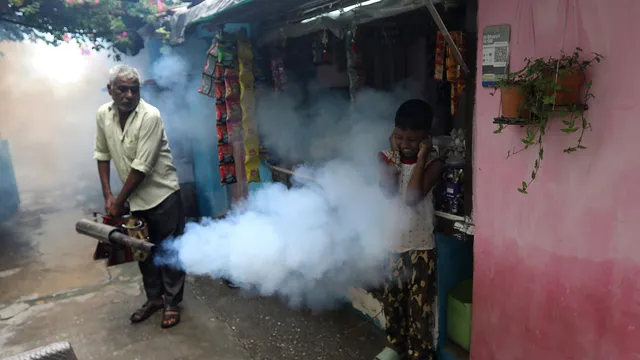
Dengue cases surge in India as climate change alters disease patterns
Dengue cases surge in India as climate change alters disease patterns
- Dengue cases in India have surged, with hospitals reporting infections before the monsoon season.
- In 2023, India recorded 289,235 dengue infections and 485 deaths, the highest in recent history.
- Experts warn that climate change and urbanization are transforming the patterns of dengue transmission.
Story
In India, the dengue crisis has escalated significantly, with hospitals reporting a rise in cases even before the monsoon season began in 2023. Traditionally, dengue cases would peak during the monsoon, but this year, the pattern has shifted, leading to an alarming increase in infections. By the end of May 2023, the country recorded 289,235 dengue infections and 485 deaths, marking the highest annual burden in recent history. This change in disease behavior is attributed to various factors, including rising temperatures, erratic rainfall, and rapid urbanization, which have created favorable conditions for mosquito breeding. Experts have noted that the long-term trends in dengue transmission are influenced by climate conditions, particularly temperature and rainfall patterns. A study published in Environmental Pollution highlighted the correlation between air pollution and dengue mortality, indicating that countries with higher levels of PM2.5 pollution experienced significantly higher death rates from the disease. This suggests that environmental factors, including pollution and climate change, are exacerbating the severity of dengue infections in India. The increase in dengue cases is not only a public health concern but also reflects broader issues related to climate change and urbanization. As cities expand and temperatures rise, the risk of mosquito-borne diseases like dengue is likely to increase. Public health officials emphasize the importance of vector control, sanitation, and disease surveillance to combat the rising threat of dengue. Despite ongoing research into vaccines that could protect against all four dengue serotypes, effective prevention strategies remain critical. In conclusion, the changing dynamics of dengue transmission in India underscore the urgent need for comprehensive public health strategies that address the underlying environmental factors contributing to the disease's spread. As the country grapples with this growing health crisis, the interplay between climate change, urbanization, and public health will be crucial in shaping future responses to dengue outbreaks.


