

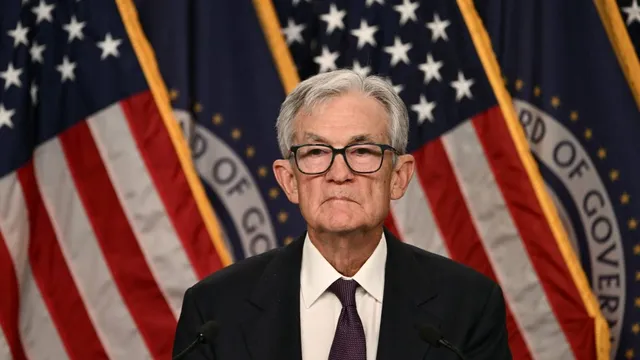
Jerome Powell stays put amid DOJ investigation turmoil
Jerome Powell stays put amid DOJ investigation turmoil
- The Department of Justice is conducting a criminal investigation into Jerome Powell's testimony about a renovation project at the Federal Reserve.
- Powell indicated he would remain in his position until the investigation concludes and will serve as chair pro tempore if needed.
- This situation illustrates ongoing tensions between Powell and the Trump administration, highlighting issues of political influence over the independence of the Federal Reserve.
Story
In the United States, Federal Reserve Chairman Jerome Powell announced he will not resign from his position while a criminal investigation by the Department of Justice (DOJ) proceeds. This decision was made public during a news conference held on March 18, 2026, where Powell emphasized his commitment to remain on the Board of Governors until the investigation is conclusively resolved. The DOJ investigation centers on Powell's congressional testimony regarding a costly renovation of the Federal Reserve’s historic buildings, drawing scrutiny especially from Republican lawmakers and having direct associations with the Trump administration's scrutiny towards Powell's leadership at the Fed. Powell's tenure as chairman will conclude at the end of May 2026, although his role as a member of the Board continues until 2028. He stated he would serve as chair pro tempore if his successor, Kevin Warsh, has not been confirmed by that time. Powell's tenure has been marked by pressures from Donald Trump seeking to influence the central bank's policies, particularly regarding interest rates. Throughout this ordeal, Powell publicly defended his actions, characterizing the DOJ inquiry as an intimidation tactic aimed at pressuring the Fed’s decisions, particularly connecting it to the broader context of Trump's attempts to push Powell into adopting a more favorable stance on interest rate policy. Ultimately, this investigation represents larger dynamics at play between the executive branch and the Federal Reserve, raising concerns about the independence of the central bank. The unusual nature of this investigation regarding a sitting Fed chair raises questions not only about Powell’s future but also about the pressures and political influences affecting other members of the Federal Reserve. As Powell faces calls for resignation and potential replacement from Trump’s camp, the confirmation process for his successor is currently stalled due to Republican opposition, putting additional pressure on both the Fed’s functionality and Powell's position as chairman. In conclusion, Powell's insistence on remaining in his position during the pending inquiry signifies a standing defense of the Fed's autonomy against external political pressures, while also highlighting ongoing conflicts surrounding monetary policy and governance in the current political climate.
Context
The Federal Reserve plays a crucial role in shaping the economic landscape of the United States, particularly through its decisions regarding interest rates. By adjusting these rates, the Federal Reserve influences borrowing costs, consumer spending, and ultimately, the overall economic activity. When the Fed raises interest rates, it becomes more expensive for consumers and businesses to borrow money, which typically leads to a slowdown in spending and investment. Conversely, when the Fed lowers interest rates, borrowing becomes cheaper, encouraging spending and investment, which can help stimulate economic growth. The timing and magnitude of these rate changes are influenced by various economic indicators, including inflation, unemployment rates, and overall economic growth. As such, the Fed's decisions are followed closely by economists, financial markets, and the general public alike. Interest rate changes have a ripple effect throughout the economy. For example, higher interest rates can lead to increased mortgage rates, making home buying less affordable and potentially cooling the housing market. Similarly, businesses may delay expansion plans due to the increased cost of financing. In contrast, lower interest rates can lead to a surge in consumer confidence and spending, as individuals feel more secure in taking on debt when the cost of that debt is low. However, prolonged periods of low interest rates can also lead to unintended consequences, such as asset bubbles, where the prices of stocks or real estate rise excessively due to over-leveraged borrowing. The Federal Reserve also uses interest rate adjustments as a tool for controlling inflation. When inflation rates rise above the Federal Reserve's target, increasing interest rates can help to cool off demand and bring inflation down. This is a balancing act, as raising rates too quickly can stifle economic growth, while waiting too long can result in runaway inflation. The din of conflicting economic indicators makes the decision-making process complex, requiring careful analysis and foresight by policymakers. The central bank's communication about its monetary policy intentions also plays a significant role in shaping market expectations and economic behavior. In recent years, particularly in the wake of the economic disruptions caused by the COVID-19 pandemic, the Federal Reserve has had to navigate unprecedented challenges while managing interest rates. The rapid shifts in economic conditions necessitated agile and often unconventional monetary policy responses. Maintaining a careful balance between supporting economic recovery through low rates and addressing potential inflationary pressures has become a focal point of the Fed's strategy. The impact of their decisions reverberates not only in financial markets but across the entire economy, highlighting the significance of the Federal Reserve in steering the economic future of the nation.


