

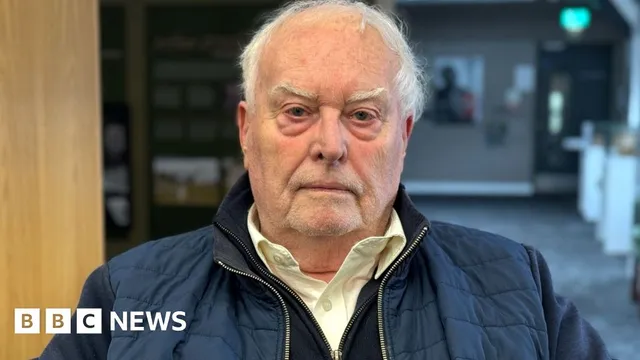
Four murdered in devastating Hillcrest Bar bombing in Dungannon
Four murdered in devastating Hillcrest Bar bombing in Dungannon
- The Hillcrest Bar bombing occurred on St. Patrick's Day in 1976 and claimed four lives.
- The incident deeply affected the Dungannon community, leading to lasting grief.
- Memorial efforts now focus on remembering victims and healing the traumas from that tragic event.
Story
On March 17, 1976, in Dungannon, Northern Ireland, a shocking act of violence occurred when a no-warning bomb planted by the UVF exploded at the Hillcrest Bar. This brutal attack resulted in the deaths of four individuals, including two children, and left around 40 others injured. Witnesses described the scene as chaotic, with rubble scattered everywhere and emergency services struggling to manage the devastation. The blast sparked immediate outrage and sorrow in the community. Individuals who experienced the attack recounted the horrific moments following the explosion. Many noted the chaos and confusion that ensued, with accounts of people attempting to rescue the wounded amidst the destruction. The incident not only left physical injuries but also instilled psychological trauma in those who survived or witnessed it. The attack was emblematic of the wider conflict in Northern Ireland, marked by sectarian violence between the Protestant and Catholic communities. In the aftermath, the family members of the victims and the local community were left grieving a tremendous loss. Five years later, Dungannon UVF member Garnet James Busby received a life sentence after admitting his involvement in the bombing, highlighting the legal repercussions for those involved in such violent acts. Busby's release on life license in 1997 further complicated the healing process for the victims' families and the community, serving as a reminder of the ongoing struggle for peace in the region. As the 50th anniversary of the bombing approaches, community leaders are emphasizing the importance of remembering the victims and recognizing those impacted by the violence. A plaque installed in their memory stands as a somber reminder of the innocent lives lost and the lasting scars left on the community. March 17, while celebrated by many as St. Patrick’s Day, is also a date marked by sorrow in Dungannon, reflecting the town's complex history and the impact of the violence that has fractured it for decades.
Context
The involvement of the Ulster Volunteer Force (UVF) in the violence during the Northern Ireland conflict is a complex and multifaceted subject. The UVF was formed in 1966 and is one of the most prominent loyalist paramilitary groups in Northern Ireland. Their primary aim has been to oppose Irish nationalism and to maintain Northern Ireland's status as part of the United Kingdom. Throughout the Troubles, which lasted from the late 1960s to the Good Friday Agreement in 1998, the UVF was involved in numerous violent activities, including bombings, shootings, and other forms of armed conflict against the Irish Republican Army (IRA) and other nationalist groups. Their actions resulted in the deaths of many individuals, as well as significant social upheaval and communal division within Northern Irish society. It is estimated that the UVF was responsible for over 500 deaths during the conflict, often targeting not only members of rival paramilitary groups but also civilians associated with the nationalist community. Such violence solidified their image as a hardline loyalist organization willing to enact lethal force to achieve their political goals. The UVF's violence was often characterized by a mix of organized militant actions and retaliatory strikes against perceived threats from republicans. Many of their operations were planned meticulously, reflecting a degree of discipline and structure within the organization. However, they also engaged in acts of sectarian violence, demonstrating deep-rooted ethnic and cultural animosities. This exacerbated the cycle of violence in Northern Ireland, leading to retaliatory actions and further casualties on both sides of the conflict. Their activities were not only limited to Northern Ireland but extended to parts of Great Britain, reflecting the UVF's broader agenda to intimidate and retaliate against perceived threats to their community. The UVF also had a significant role in community life, as they gained a degree of support and legitimacy from loyalist communities in Northern Ireland. Their actions were often portrayed as 'defensive' measures against republican violence, which garnered them sympathy among sections of the Protestant population. This complicity with societal notions of defense and honor contributed to a prolonged acceptance of their violent methods. As the Troubles progressed, the UVF evolved, engaging in drug trafficking and other criminal enterprises to fund their activities, which further alienated them from more moderate elements of the loyalist community. Additionally, the transition towards peace in the late 1990s led to significant changes in the UVF's operational approach, as they declared a ceasefire in 1994 and subsequently engaged in the peace process articulated by the Good Friday Agreement. Despite the ceasefire and the formal end to violence, the legacy of the UVF's actions continues to resonate in contemporary Northern Ireland, as sectarian divides and attitudes linger. The group's past involvement in violence has led to ongoing discussions about accountability and reconciliation. Various loyalist paramilitary groups, including the UVF, are viewed with suspicion by both nationalist and increasingly by some elements of the loyalist community, given their historical record of violence. The complexities of their involvement and the socio-political implications of their actions require ongoing scholarly research and public discourse to foster an understanding of the legacy of violence in Northern Ireland, ensuring that the lessons learned are not forgotten as the region continues to navigate its path towards lasting peace.


