
military conflicts
uplifting
impactful

Sudan's football team seeks to inspire peace through Cup of Nations success

Jan 2, 2026, 11:35 PM10
(Update: Jan 2, 2026, 11:35 PM)
country in Northeast Africa
country on the coast of West Africa
association football player (born 1990)

Sudan's football team seeks to inspire peace through Cup of Nations success

  • Sudan's team hopes that an upset win over Senegal could contribute to peace in their war-torn country.
  • The conflict in Sudan has displaced millions and resulted in tens of thousands of deaths since April 2023.
  • The team's performance in the Cup of Nations serves as a beacon of hope for Sudan amidst ongoing struggles.
Share your opinion
1

Story

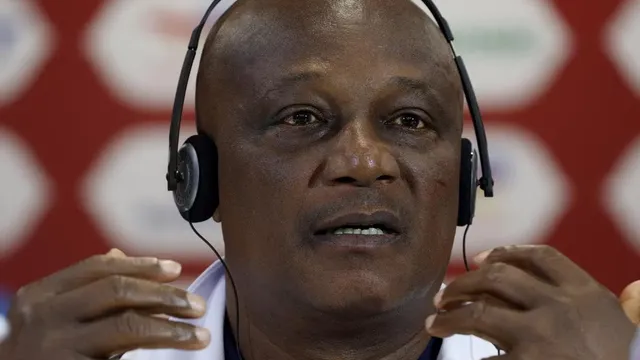
Sudan is currently facing a severe internal conflict that began in April 2023 between the Sudanese army and a paramilitary group originating from the Janjaweed militia. This conflict has resulted in devastating consequences, including tens of thousands of deaths and millions displaced. The football team of Sudan, however, has managed to remain active and is competing in the Africa Cup of Nations held in Morocco, marking their qualification for the tournament for only the second time since they last won it in 1970. The players, coaching staff, and supporters live in constant anguish due to the war, yet their participation in this prestigious competition embodies hope. Despite not being able to play on home turf for over three years due to the destruction of football infrastructure caused by the war, Sudan's football team has continued to represent their country on the international stage. They have been competing in exile, with their top two clubs participating in the Rwandan league as they strive to maintain their sporting spirit against all possibilities. The team’s captain, Bakhit Khamis, shared the emotional toll it takes to live away from home and family, highlighting their determination to perform well for the sake of their supporters and to bring encouragement back to their homeland. Head coach Kwesi Appiah expressed hope that a victory in the upcoming game could calm hostilities back home. During a press conference, he recounted a previous incident where rival armies laid down their arms to celebrate a game win, underscoring football's potential to foster unity and peace. As the players prepare to face Senegal, a highly favored team, they carry not only their dreams of success but also the burdens of their people, hoping to inspire a positive change through their performance. The aspirations of Sudan's team extend beyond mere sporting achievements. They embody a collective desire for peace in a country ravaged by war. Their journey through this Cup of Nations is not just about football; it represents a chance to send a message that despite adversity, hope and unity can be found through sport, potentially leading to significant transformations in the social landscape of Sudan as they strive for a harmonious future.

Context

Football has long been more than just a sport; it has served as a powerful tool for promoting peace in conflict zones. The global appeal of football transcends cultural and political boundaries, making it a unifying force in areas torn apart by strife. In various regions, community-based football initiatives have emerged to cultivate social cohesion and foster dialogue among divided groups. Organizations such as FIFA, streetfootballworld, and numerous NGOs have recognized the potential of the game to bridge divides and empower local communities. Many grassroots programs utilize the sport to teach important life skills, including teamwork, discipline, and conflict resolution, which are crucial for rebuilding societies disrupted by violence and war. The influence of football on peace-building is evident in numerous conflict-affected areas around the world. In countries like South Africa, Rwanda, and Colombia, football initiatives have successfully brought together individuals from opposing factions, promoting understanding and cooperation. For instance, during and after the Rwandan genocide, various football programs helped to unite Hutu and Tutsi players, providing them with a platform to engage in dialogue and rebuild trust. These experiences underline the inherent potential of sport as a catalyst for reconciliation, even in the direst of circumstances. Moreover, football serves as a medium for addressing key social issues, including gender equality and youth empowerment in conflict zones. Women's football leagues and tournaments play a vital role in challenging societal norms and advocating for the rights of girls and women in conservative environments. Such initiatives not only enhance participation and visibility for women but also contribute to their overall empowerment, fostering leadership skills that are essential for social change. Additionally, the involvement of youth in football programs can divert them from engagement in violence and extremist activities, offering them a constructive outlet for their energy. While football has had notable successes in promoting peace, it is essential to recognize that it is not a standalone solution to complex conflicts. Depending on the broader socio-political context, football programs can sometimes face challenges, including resource constraints, political interference, and cultural resistance. Sustainable peace-building requires coordinated efforts that go beyond sport, incorporating education, economic development, and community engagement. Nevertheless, the case studies from various regions illustrate that when implemented thoughtfully, football can be an effective element in multi-faceted peace strategies.

2026 All rights reserved
