Mother learns her baby will never smile due to rare syndrome
science
informative
controversial

Mother learns her baby will never smile due to rare syndrome

11
(Update: )
city in Riley County, Kansas, United States
  • Riley was born with small, webbed hands and an underdeveloped pectoral muscle, leading to weeks of testing.
  • He was diagnosed with Poland-Moebius Syndrome at three weeks old, which affects his facial expressions and feeding.
  • Hochstetler shares their journey on social media to raise awareness and show that love can be expressed in many ways.
Share opinion
1

Story

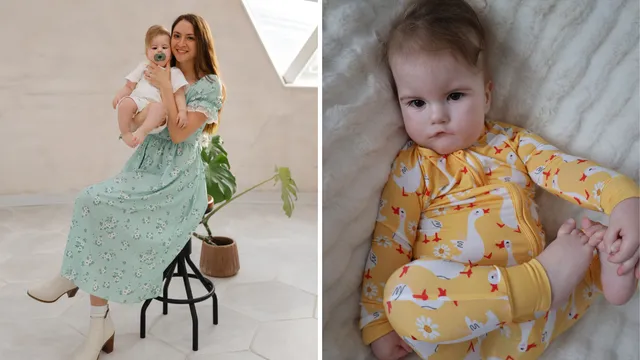
In the United States, a mother named Jeannie Hochstetler faced a challenging journey after the birth of her son, Riley, who was born with small, webbed hands and an underdeveloped pectoral muscle. Initially, there were no concerns during her pregnancy, but after Riley's birth, he was quickly taken to the NICU for assessment due to breathing difficulties. After weeks of testing, doctors suggested that Riley might have Poland-Moebius Syndrome, a rare congenital condition characterized by facial paralysis and underdeveloped chest muscles. At three weeks old, he was officially diagnosed with this syndrome, which would significantly impact his ability to form facial expressions and blink, as well as affect his feeding and developmental milestones. The diagnosis was devastating for Hochstetler, who expressed grief at the thought of her baby never being able to smile at her. She felt sadness not only for herself but also for Riley, who would face numerous challenges throughout his life. The condition is non-progressive, meaning that Riley's symptoms will not worsen over time, but there is no cure for Moebius Syndrome. As a result, the family focuses on managing his symptoms and providing the necessary care. Riley is missing his seventh cranial nerve, which is crucial for facial movement, and he has restricted eye movement. To assist with feeding, Riley uses a G-tube, and his mother hopes to transition him to oral feedings as his swallowing abilities improve. Additionally, he underwent strabismus surgery at 13 months to correct his crossed eyes. Despite the challenges, Hochstetler has found strength and resilience through her experiences with Riley. She has taken to social media, particularly TikTok, to document their journey and raise awareness about Moebius Syndrome. Through her posts, she aims to show that love can be expressed in various ways, even when faced with significant obstacles. Hochstetler's story highlights the importance of awareness and understanding of rare conditions like Poland-Moebius Syndrome. By sharing her family's experiences, she hopes to inspire others and foster a sense of community among those affected by similar challenges. Riley's journey is a testament to the strength of the human spirit and the love that can flourish in the face of adversity.

Context

Poland-Moebius Syndrome is a rare congenital condition characterized by facial paralysis and limb abnormalities. It is a combination of two distinct syndromes: Poland Syndrome and Moebius Syndrome. Poland Syndrome is primarily associated with the underdevelopment or absence of the pectoral muscles on one side of the body, leading to asymmetry in the chest and sometimes affecting the upper limb. Moebius Syndrome, on the other hand, is characterized by facial paralysis due to the underdevelopment of cranial nerves, particularly the sixth and seventh cranial nerves, which control lateral eye movement and facial expressions, respectively. The combination of these syndromes results in a unique presentation that can vary significantly from one individual to another, making diagnosis and management challenging. The exact cause of Poland-Moebius Syndrome remains unclear, but it is believed to arise from disruptions in embryonic development during the first trimester of pregnancy. Genetic factors may play a role, although no specific gene has been definitively linked to the condition. Environmental factors, such as maternal exposure to certain medications or infections during pregnancy, may also contribute to the development of the syndrome. Due to its rarity, the prevalence of Poland-Moebius Syndrome is not well established, but it is estimated to affect a small number of individuals worldwide. Clinical features of Poland-Moebius Syndrome can include facial asymmetry, inability to smile or frown on one side of the face, and limb malformations such as syndactyly (fusion of fingers) or brachydactyly (shortened fingers). Patients may also experience difficulties with speech and feeding due to facial muscle weakness. The severity of symptoms can vary widely, with some individuals exhibiting mild manifestations while others may have more pronounced disabilities. A multidisciplinary approach is often required for management, involving specialists in plastic surgery, orthopedics, speech therapy, and occupational therapy to address the diverse needs of affected individuals. Early diagnosis and intervention are crucial for improving outcomes in individuals with Poland-Moebius Syndrome. Genetic counseling may be beneficial for families affected by the condition, as it can provide information about the risks of recurrence in future pregnancies. Support groups and resources are also available to help families navigate the challenges associated with this syndrome. Ongoing research is needed to better understand the underlying mechanisms of Poland-Moebius Syndrome and to develop targeted therapies that can improve the quality of life for those affected.