
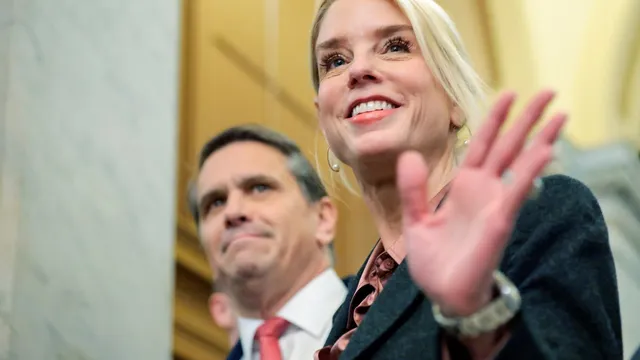
Pam Bondi pledges to follow the law amid Epstein files scrutiny
- Attorney General Pam Bondi met with House lawmakers to discuss the Epstein probe.
- Democrats protested over Bondi's lack of commitment to comply with a subpoena.
- The session highlighted the ongoing scrutiny of the Department of Justice's handling of the Epstein case.
Story
On March 18, 2026, in the United States, tensions rose in a closed-door meeting involving Attorney General Pam Bondi and House lawmakers concerning the handling of the Jeffrey Epstein case. Bondi, along with Deputy Attorney General Todd Blanche, attended the briefing to address inquiries about the Department of Justice's compliance with the Epstein Files Transparency Act. Democrats were frustrated after Bondi did not provide a clear commitment to comply with a subpoena requiring her testimony, leading them to exit the meeting in protest, labeling the briefing as a 'fake hearing.' However, Republicans countered that Bondi had effectively stated her intention to adhere to the law. Congressman Tim Burchett remarked that Bondi's response was a legal obligation, and characterized the Democrats' actions as a planned stunt aimed at embarrassment. During the meeting, Bondi asserted that the DOJ had made substantial efforts to release required documents, claiming that they had fulfilled their duties under the law by redacting and organizing millions of documents within a limited time frame. Despite this, some lawmakers from both parties raised doubts about the DOJ's assertion that all necessary files had been released, showcasing a deep skepticism about the agency's transparency. Bondi received further scrutiny as the committee explored the failures in the previous administrations concerning the Epstein case, with Congress Rep. Nancy Mace mentioning that the subpoena was issued out of disbelief regarding the DOJ's compliance. Although Bondi and Blanche defended their actions and pointed to their commitment to protect victim identities, the Democrats' calls for accountability appeared to resonate, reflected in their demands for further testimony. In a broader context, Bondi expressed dissatisfaction with how the hearing progressed, particularly noting that Democrats did not submit any substantive questions after public complaints for answers. The dynamics of the meeting illustrated the partisan divide and the continued scrutiny surrounding the handling of Epstein-related investigations, amidst the backdrop of ongoing debates around transparency and accountability in the DOJ. Following the contentious meeting, congressional leaders continued to advocate for the transparent release of documents related to the case, highlighting the urgent public interest in the Epstein investigations and the consequences of past missteps in addressing abuse cases. The situation unfolded in a charged political environment, emphasizing the complexities of legal compliance, the legislative oversight role of Congress, and the sensitivities surrounding victim advocacy. As Bondi left the hearing, the fallout from the session indicated that the negotiations surrounding the Epstein files would likely continue to provoke intense scrutiny and debate in the coming days.
