

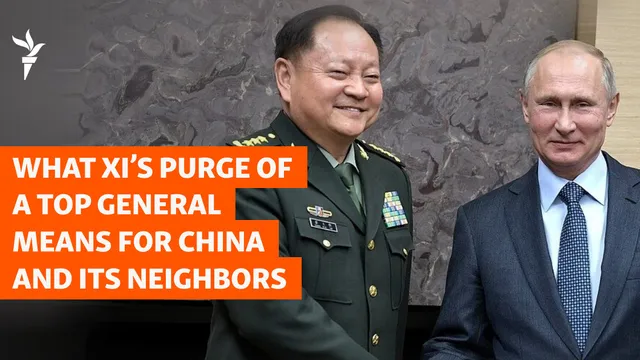
Xi Jinping ousts top general amid military turmoil in China
Xi Jinping ousts top general amid military turmoil in China
- General Zhang Youxia, a prominent military figure, has been placed under investigation for corruption allegations.
- The investigation is part of a broader trend of purging military leaders within the People's Liberation Army.
- The ongoing upheaval raises concerns over China's military readiness and the potential risks of escalating conflicts, particularly regarding Taiwan.
Story
On January 24, 2023, China conducted a significant political reshaping by initiating an investigation into Zhang Youxia, the country’s most senior general and vice chairman of the Central Military Commission, amid allegations of corruption and breaches of political loyalty. This sudden purge, which is part of a broader trend in China's military leadership changes, has positioned Xi Jinping in a uniquely powerful yet precarious situation, leading to concerns about the stability within the Chinese Communist Party. Observers noticed that Zhang's leadership had fostered a deepening relationship with Russia, which complicates reputational dynamics for China on the global stage. The internal strife within China’s top military ranks raises fears regarding the potential implications for national security and the ongoing tensions surrounding Taiwan. Analysts warn that with the consolidation of power, Xi is now surrounded by advisors likely to echo his sentiments, increasing the risk of military miscalculations. This oversight can lead to catastrophic outcomes, especially given Xi's aggressive stance on unification with Taiwan, which he has labeled an
Context
The contemporary relationship between Taiwan and China is highly influenced by the shifting dynamics within the Chinese military, particularly in light of recent purges that have impacted key leadership and operational capabilities. These internal changes within the Chinese Communist Party (CCP) can lead to alterations in strategic priorities that may affect Taiwan's security landscape. The purges, which have been indicative of a consolidation of power by President Xi Jinping, may result in a military that is either more aggressive in its posture towards Taiwan or, conversely, more cautious if leadership is preoccupied with internal stability and legitimacy following these upheavals. The intricate balance of power in the Taiwan Strait is sensitive to the types of military forces that the CCP emphasizes in the wake of these purges, including naval and aerial capabilities that are crucial for any potential operation aimed at reasserting control over Taiwan. Moreover, Taiwan’s response to the evolving Chinese military context is equally complex. The Taiwanese government has bolstered its defense posture and military readiness, recognizing the increased risks posed by a possibly emboldened or restructuring Chinese military. This may entail an enhancement of its asymmetric warfare capabilities, focusing on defensive systems and strategic partnerships with allies such as the United States, which has shown renewed commitment to Taiwan's defense. Additionally, Taiwan is likely to continue strengthening its diplomatic presence on the international stage, utilizing concerns over Chinese military developments to garner broader global support against coercive tactics from Beijing. In essence, the relationship between Taiwan and China during this period is characterized by a tense standoff, exacerbated by the uncertainties stemming from the Chinese military's internal reorganizations. Any changes in leadership, doctrine, or capability that arise from the purges could lead to unpredictable outcomes. For Taiwan, the need for a tailored and responsive defense strategy becomes ever more urgent as it seeks to deter aggression while navigating the complex array of international diplomatic relations. The actions taken by both the Taiwanese administration and Chinese military will be pivotal in the ongoing dynamics of the region and could have long-lasting ramifications for the peace and stability of the Taiwan Strait. Ultimately, the implications of these military purges must be examined in the context of wider geopolitical trends. The interactions between military readiness, political objectives, and public sentiment on both sides will determine the trajectory of Taiwan-China relations moving forward. Moreover, the international community’s response to any aggressive moves by China will play a crucial role in shaping the long-term security environment in the region, emphasizing the need for continued vigilance and proactive engagement from Taiwan and its allies.


