

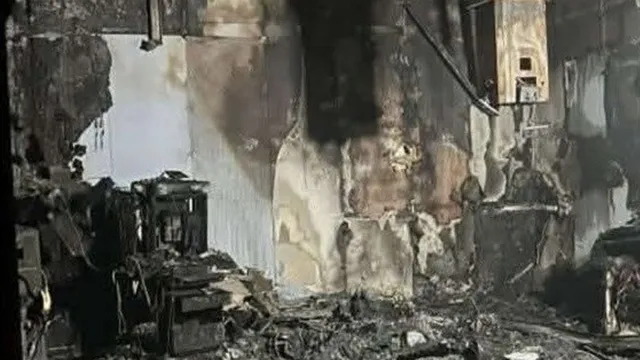
Major incident declared after fire breaks out at Southampton hospital
Major incident declared after fire breaks out at Southampton hospital
- A fire broke out in the endoscopy unit of Southampton General Hospital at 5:30 AM GMT, prompting an emergency response.
- Approximately 200 patients were evacuated to safe areas of the hospital, with some receiving care in corridors due to limited space.
- The hospital has declared a major incident, diverting non-life-threatening cases and cancelling all outpatient appointments.
Story
A significant fire broke out at Southampton General Hospital in England during the early morning hours of February 1, 2026. The incident was reported at approximately 5:30 AM GMT and was concentrated in the hospital's endoscopy unit located in the west wing. Emergency services responded swiftly, with over 110 firefighters arriving on the scene to battle the blaze using specialized equipment such as breathing apparatus and aerial platforms. The fire has since been contained, and thankfully, there were no injuries reported among patients or staff. As a precaution, around 200 patients were evacuated to safer areas of the hospital, with some being relocated to the main entrance lobby and other parts of the facility. In response to the incident, Southampton General Hospital has diverted all non-critical patients away from its emergency department. Only those with conditions classified as life or limb-threatening are being accepted, signaling the impact of this crisis on hospital operations. The hospital administration has communicated to the public that all outpatient appointments have been canceled, urging individuals requiring medical attention to utilize alternative community services, including urgent treatment centers available in the nearby Royal South Hants Hospital and Lymington New Forest Hospital. The cause of the fire remains unknown, but investigations are set to commence following the clearance of smoke and ensuring safety in the affected areas. Fire service officials, including Larry Mackrell, have confirmed that the damage was significant, primarily due to smoke traveling throughout the floor, despite the flames being contained. The emergency response underscored the dedication of clinical teams and support staff, who quickly mobilized to manage the situation, providing care and reassurance to patients and their families amidst the chaos. As for the hospital's ongoing operations, officials have stated that coordinated efforts are in place to manage patient care effectively while seeking assistance from partner hospitals. These urgent measures are critical as they navigate this unprecedented incident. Continuous reviews and meetings have been organized to assess the situation every half hour, ensuring that resources are allocated efficiently. The situation has proven highly challenging for hospital management, as they endeavor to maintain public safety and trust during this difficult time.
Context
The fire incident at Southampton General Hospital has raised significant concerns regarding safety protocols and fire prevention measures within healthcare facilities. This investigation aims to determine the origins of the fire, its spread, and the response implemented by hospital staff and fire services during the emergency. Preliminary findings suggest that while the hospital adhered to standard fire safety regulations, there may have been lapses in specific areas that require thorough examination. Understanding the cause of the fire not only focuses on the immediate events but also highlights the importance of continuous improvement in fire safety practices across all health institutions. Initial reports indicate that the fire broke out in a storage area, but the exact source has not yet been conclusively determined. Investigators are examining possible causes, including electrical faults, equipment failure, or unauthorized use of flammable materials. A detailed analysis of surveillance footage and eyewitness accounts is ongoing to establish a clearer timeline of events leading up to the incident. Moreover, scrutiny over the adequacy of emergency exits and the functioning of fire alarm systems is crucial in assessing whether the hospital's infrastructure adequately supported safe evacuations during the crisis. The response to the fire incident involved not only the rapid action of hospital staff but also a coordinated effort from local fire services. Early intervention by on-site personnel was pivotal in mitigating the spread of the fire and ensuring patient safety. However, the effectiveness of communication protocols and emergency drills will be evaluated to ascertain how well the hospital managed the incident in real-time. Lessons learned from this event could inform better training programs for staff and updates to emergency response plans, ultimately enhancing preparedness for any similar future incidents. The aftermath of the fire incident underscores the necessity for regular assessments of fire safety protocols and physical infrastructure in hospitals. Comprehensive safety audits must become integral to hospital operations to identify vulnerabilities and implement corrective measures promptly. Stakeholders will benefit from collaborating on improved fire safety technologies and training initiatives, ensuring that the lessons learned from this unfortunate event lead to a more secure environment for both patients and healthcare workers. This investigation is not just about determining the cause of the fire, but also about fostering a culture of safety and preparedness within the healthcare sector.


