

Kenya scales back police support amid Haiti's political crisis
Kenya scales back police support amid Haiti's political crisis
- Haiti's transitional governing council's mandate expired on February 7, 2026, amid a chaotic political landscape.
- Kenya has begun to withdraw its police officers from Haiti as it transfers responsibilities to a new UN-backed force.
- The situation underscores the urgent need for a sustainable governance structure to stabilize Haiti.
Story
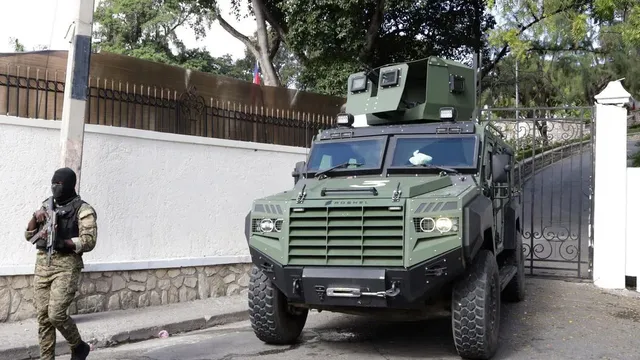
Haiti has entered a state of political limbo following the expiration of the mandate of the transitional governing council on February 7, 2026. This council was set up to address ongoing gang violence and to facilitate delayed elections. The council's term has been marred by a worsening security situation, rampant corruption, and political strife, culminating in the resignation of Prime Minister Ariel Henry. The situation has been exacerbated by the absence of an elected president since the assassination of Jovenel Moise in 2021, leaving Haiti highly unstable and unable to organize elections. As of October 2025, approximately 1.4 million Haitians were displaced due to gang-related violence. The U.S. government has expressed support for Prime Minister Alix Didier Fils-Aime, warning against attempts to remove him and imposing sanctions on council members. The lack of a consensus on how to proceed and who should hold power has left the country trapped in a political vacuum, with calls for new leadership but no agreed-upon structure. In recent developments, Kenya has begun reducing its police presence in Haiti after a year of leading the Multinational Security Support mission aimed at controlling widespread gang violence. This transition comes as Kenya hands over leadership to a new United Nations-backed Gang Suppression Force (GSF), which has a more expansive mandate to combat gang activity. Kenyan officials have reported instances of progress made during their deployment, including the strengthening of Haiti's National Police and securing vital installations. Despite these accomplishments, the mission faced significant challenges, such as insufficient funding and personnel, which hindered its effectiveness. Ultimately, the robust GSF will aim to establish greater security in Haiti by targeting gangs directly, though the success of this operation remains uncertain given the historical complications of governance in Haiti. Such challenges include the control of armed groups over vital areas in the capital and substantial disruptions to population safety, making the mission of the GSF crucial for the nation's future stability. Overall, the landscape in Haiti continues to be dire as the country seeks to navigate the intricacies of political governance while grappling with rampant gang activity and public discontent. The transition from Kenya's mission to the newly established GSF indicates a significant shift in focus, emphasizing the need for more robust intervention strategies as the Haitian populace anxiously awaits a resolution to its political and security crises.


