
politics
impactful
controversial

Socialist candidates dominate key cities after GOP losses

Dec 29, 2025, 2:00 PM20
(Update: Dec 30, 2025, 1:00 AM)
country primarily in North America
City in and county seat of Hennepin County, Minnesota, United States
most populous city in the United States
city in and county seat of King County, Washington, United States
city in New Jersey, United States

Socialist candidates dominate key cities after GOP losses

  • In 2025, socialist candidates achieved major electoral victories in several US cities.
  • These victories reflect a growing trend toward progressive policies in urban areas.
  • The outcomes signal a significant shift in political landscapes as electors call for reforms.
Share your opinion
2

Story

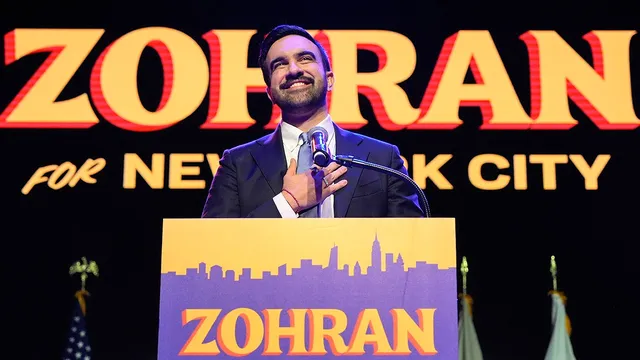
In the 2025 elections, a significant shift occurred in major urban areas of the United States as socialist candidates gained considerable ground. Notable victories included New York City, where Zohran Mamdani, a DSA-aligned candidate, won the mayoral race, advocating for public services like transit and childcare, as well as tax increases on corporations. Meanwhile, in Seattle, a similar movement was felt as a socialist candidate succeeded in overcoming incumbent Mayor Bruce Harrell, who previously campaigned on a moderate platform. The shifts were not limited to these cities; Jersey City also elected DSA-aligned representatives to its city council. These trends illustrate a broader acceptance of socialist ideals within urban electorates, reflecting growing discontent with traditional political structures and a call for progressive reforms. The victories coincided with a backdrop of challenges for the Republican party, which faced a significant decline in voter support across various states. The implications of these changes may affect local policies and lead to increased tensions between different political factions as the social and economic landscape evolves. Additionally, these electoral outcomes are seen as part of a larger wave of progressive ideology that has gained traction amidst ongoing issues such as housing, economic inequality, and public service accessibility. Many believe that this surge of leftist representation could reshape policies in areas like housing and welfare, prioritizing public interests over corporate profit. As cities like New York, Seattle, and Jersey City align more closely with socialist principles, the potential implications for American politics in the coming years are profound and multifaceted, impacting everything from local governance to national discussions about the role of socialism in American society. The significance of the 2025 electoral cycle cannot be overstated. It marks a pivotal moment in U.S. political history where traditional political lines are increasingly blurred. The results indicate an electorate ready for change and perhaps a reevaluation of the principles guiding American democracy as they select leaders who promise to address the pressing needs for equality, social services, and community-focused governance. The long-term outcomes of these elections will be closely monitored as new leaders take office and begin to implement their platforms.

Context

The 2025 United States elections have brought the impact of socialist candidates to the forefront of political discourse. As the electorate became increasingly disillusioned with traditional political parties, a notable rise in socialist candidates was observed across various levels of government. This phenomenon was largely fueled by growing concerns over income inequality, healthcare accessibility, and climate change, which garnered significant attention among younger voters. The extensive outreach undertaken by these candidates, leveraging social media and grassroots campaigning, proved effective in mobilizing support and challenging the status quo. Several socialist candidates succeeded in gaining traction within the Democratic Party, pushing the boundaries of political ideology and influencing the party's platform. Their proposals included universal healthcare, the Green New Deal, and comprehensive reforms aimed at wealth redistribution. The 2025 elections witnessed a pivotal shift, as many mainstream Democratic candidates began to adopt elements of these progressive policies, reflecting a broader acceptance of socialist ideas within the party. This realignment suggested that socialist principles were becoming more mainstream, particularly in urban areas and regions with younger demographics. The intersectionality of social issues and economic liberalism also played a crucial role in the success of socialist candidates. Campaigns that focused on the intersection of race, gender, and economic disparity resonated with voters, illustrating a holistic approach to addressing systemic issues. Voter turnout in key demographics, particularly among millennials and Gen Z, reached unprecedented levels, indicating that this younger electorate was willing to support candidates that aligned with their values. The ability of socialist candidates to communicate a vision of an equitable society contributed to their electoral success, making them formidable challengers in the political arena. In conclusion, the impact of socialist candidates in the 2025 US elections reflects a significant shift in American political dynamics. Their ability to galvanize a diverse coalition of voters around issues of social justice and economic reform has redefined the parameters of political debate. As these candidates continue to influence policies and party lines, the future landscape of American politics may be more progressive than ever before. This trend suggests that the traditional boundaries of political ideology are fluid, and the emergence of socialist candidates could pave the way for deeper discussions around the role of government in addressing the needs of all citizens.

2026 All rights reserved
