

Laura Fernandez wins Costa Rica presidential election amid rising crime
Laura Fernandez wins Costa Rica presidential election amid rising crime
- Laura Fernandez won the presidential election in Costa Rica with 48.3% of the vote.
- Her victory gives the Sovereign People's Party control of Congress, though they lack a supermajority.
- The electoral outcome highlights growing concerns about crime and the challenges Fernandez may face in implementing her policies.
Story
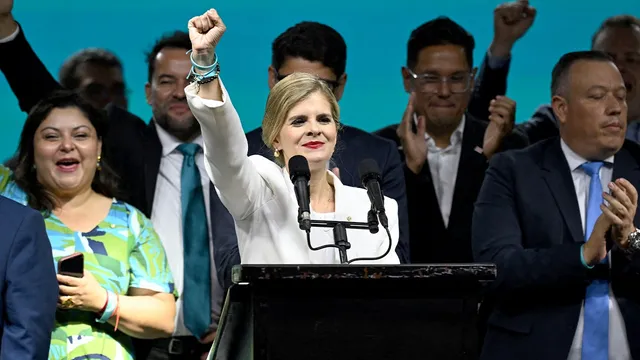
Costa Rica recently held a presidential election where conservative populist Laura Fernandez emerged as the winner. On February 2, 2026, the Supreme Electoral Tribunal reported that Fernandez of the Sovereign People's Party secured 48.3% of the vote, defeating her closest challenger, Alvaro Ramos of the National Liberation Party, who garnered 33.4%. This election is significant as it marks the first time since 1990 that a single party has achieved both the presidency and control of the legislature, with the PPSO winning a majority in Congress. Fernandez campaigned on a platform of addressing escalating crime rates, which have seen a sharp rise in homicides and gang violence in recent years. Her proposed security measures include bolstering cooperation with the U.S. Drug Enforcement Administration and implementing strict strategies against organized crime. Despite her party's congressional majority, the PPSO fell short of achieving the 38-seat supermajority required to enact sweeping reforms, indicating potential challenges ahead in pushing her legislative agenda. The National Renovation Party, previously aligned with the ruling government, was left without representation in the new Congress, while the National Liberation Party and the Broad Front are expected to form the primary opposition forces. Political analysts caution that Fernandez's plans to reform the political system may hit roadblocks due to a lack of allies and the need for negotiation in Congress. The political landscape in Costa Rica is poised for significant changes as a result of this election, driven largely by public concern over security and crime. In her victory speech, Fernandez expressed a commitment to restoring peace and addressing the issues that matter most to the Costa Rican people. As she prepares to take office, the dynamics within the new legislature will be closely observed, especially regarding how the opposition intends to respond to her policies and whether they can effectively challenge her agenda as crime and safety continue to dominate public discourse.


