

Police sergeant claims shielded colleagues while causing death in cooler throw incident
Police sergeant claims shielded colleagues while causing death in cooler throw incident
- Erik Duran claims he was trying to protect his colleagues when he threw a cooler at Eric Duprey.
- Duprey, who was fleeing officers, crashed his scooter and suffered fatal injuries.
- Duran faces serious legal repercussions, with a maximum of 25 years in prison if convicted.
Story
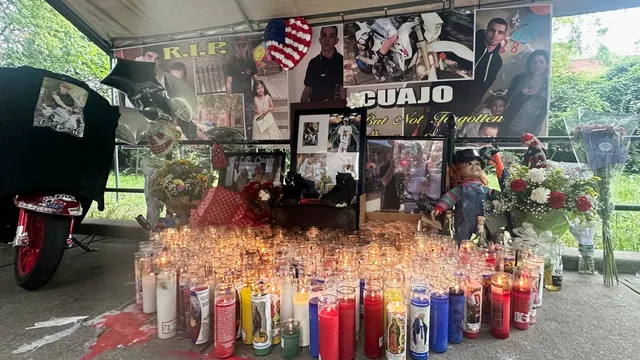
In August 2023, Erik Duran, a police sergeant in New York City, threw a plastic cooler at 30-year-old Eric Duprey, who was attempting to flee on a motorized scooter after allegedly selling drugs to an undercover officer. This action led to Duprey crashing into a tree and subsequently suffering fatal head injuries. During the trial, Duran testified that his intention was to protect fellow officers from an imminent collision, asserting that he had limited time to act. Prosecutors challenged his claim, suggesting he had time to warn his colleagues instead of throwing the cooler. Duprey was a father of three and was not wearing a helmet when the tragic accident occurred. Duran articulated that he did not aim to injure Duprey; rather, he believed throwing the cooler was the only means to avert a possible crash into his fellow officers. Following the incident, Duran stated he immediately sought to assist Duprey upon witnessing the severity of his injury, indicating a concern for the man's well-being despite the circumstances of the encounter. The trial, which is a nonjury proceeding, is spearheaded by the state attorney general's office, responsible for overseeing cases involving civilian injuries or deaths in police confrontations. Duran is charged not only with manslaughter but also faces implications for criminally negligent homicide and assault, highlighting the serious legal ramifications surrounding the incident. Closing arguments in the trial were scheduled for Tuesday, providing a significant moment for both sides to present their final assertions to the court. Duran's defense maintains that, in the heat of the moment, he acted with the intent to protect when faced with Duprey's erratic driving. Nonetheless, prosecutors have pointed out the potential for Duran to have utilized alternative responses, such as moving out of the way or alerting his colleagues about the approaching threat. The court's evaluation will ultimately determine the degree of accountability that Duran holds in this fatal encounter, which has sparked discussions about the use of force by law enforcement and appropriate measures in high-stress situations.
Context
Police actions in pursuit situations have significant legal consequences that stem from constitutional protections, statutory regulations, and case law. The legal framework governing police pursuits is primarily derived from the Fourth Amendment, which safeguards individuals against unreasonable searches and seizures. Courts have interpreted these protections as applying to police pursuits, establishing that officers must have probable cause to initiate a chase. Additionally, the criteria for what constitutes a reasonable pursuit have been shaped by various precedents, determining factors such as the severity of the offense, the potential threat to public safety, and the risk of harm that the pursuit creates for the community. When a police pursuit leads to a crash or injury, the ramifications can escalate, resulting in civil liability for police departments and officers involved. Courts analyze whether the actions of the police were objectively reasonable under the circumstances. If the pursuit was deemed excessive or unjustified, there could be significant financial repercussions, including settlements or judgments against the department. The standard of care to which police officers are held varies by jurisdiction, but the trend shows increased scrutiny and accountability for pursuits that result in harms. Legal standards continue to evolve, particularly as incidents involving police pursuits become more visible and scrutinized by the public and media. In addition to civil liability, criminal charges can also arise from police pursuits, particularly if officers are found to have acted recklessly or without proper cause. Systems for oversight, including internal reviews and independent oversight boards, aim to ensure that police conduct during pursuits is appropriately regulated. Policies that departments adopt can also influence the legal consequences surrounding police pursuits. Some jurisdictions have developed stringent pursuit policies intended to balance the necessity of enforcing the law with the mandate to protect public safety. These policies often include guidelines on when to initiate, continue, or terminate a pursuit based on the nature of the crime and potential risks to innocent bystanders. The legal consequences of police pursuits underline the delicate balance that officers must maintain between enforcing the law and ensuring public safety. As communities demand greater accountability and transparency, police departments must be prepared to adapt their practices and policies in response to legal challenges and societal expectations. Policymaking in this area must be informed by both legal precedents and community needs, aiming to foster trust while effectively managing the inherent risks of police pursuits.


