

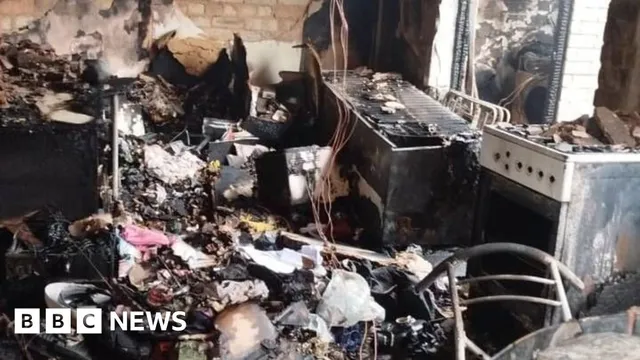
Sky claims a burnt TV box after family's house fire
Sky claims a burnt TV box after family's house fire
- Hannah Foster's home was destroyed by a fire caused by a faulty tumble dryer in March 2023.
- Sky mistakenly requested that she return her damaged TV box or pay a fine, prompting outrage.
- Sky later apologized for the insensitive request and confirmed no charges would be applied.
Story
In March 2023, a mother of three, Hannah Foster, experienced a life-altering event when her home in Allestree, Derby, was destroyed by a fire caused by a faulty tumble dryer. The fire occurred just before the family's planned holiday, and Hannah's quick thinking allowed her to rescue her children from the blaze. The emotional toll of this traumatic incident left her family in a precarious situation as they began the search for a new home after losing all their possessions to the fire. Following the incident, Hannah attempted to cancel her subscription with Sky, the television provider, and communicated her circumstance to their support team. However, shortly after, she received several conflicting messages from Sky regarding the status of her subscription and the return of their equipment, specifically a damaged set-top box which was destroyed in the fire. The messages from Sky stated that she needed to either return the charred remains of the box or face a £58 charge. Hannah expressed her outrage at the request, describing it as both cruel and insensitive given the traumatic events she had just endured. She further explained that returning to the burned home to retrieve the useless equipment would be dangerous and emotionally distressing. Responding to the widespread criticism and Hannah’s plight, Sky reached out to her to apologize for the distress caused by their request. The company acknowledged that the request was made in error and confirmed that no charges would be applied against Hannah’s account for the damaged equipment. This incident highlights a significant disconnect between corporate policies and the real-life implications for customers facing tragic circumstances.
Context
The impact of a house fire on families is profound and multifaceted, affecting not only the physical structure of the home but also the emotional, psychological, and financial well-being of its inhabitants. Experiences of trauma can resonate long after the flames are extinguished, as families grapple with the losses of both sentimental possessions and the sense of safety associated with their homes. The immediate aftermath often presents a chaotic scenario where priorities shift from replacing lost items to dealing with insurance claims, temporary housing, and the emotional fallout that follows such a catastrophic event. The disruption of daily life can strain familial ties, as individuals cope with their grief and anxiety in different ways, sometimes leading to conflict or further complications in relationships. In the wake of a house fire, psychological impacts can manifest significantly, with many individuals exhibiting symptoms of acute stress disorder or post-traumatic stress disorder (PTSD). Children may experience nightmares, behavioral changes, or developmental setbacks as they process the trauma, while adults may face anxiety, depression, or a sense of hopelessness regarding their future. Access to mental health support is crucial in these circumstances and can greatly contribute to a family's recovery. Support systems, including community resources and counseling services, can play a vital role in helping families rebuild their lives and reclaim their sense of normalcy after a fire. Financial implications of a house fire can be staggering, often exceeding initial expectations due to unexpected expenses such as temporary lodging, essentials, and home repairs after damage assessments. Underinsurance or inadequate coverage can exacerbate difficulties, leading to long-term financial instability. Recovery is often prolonged, with families facing obstacles such as securing loans for repairs, navigating insurance policies, and managing lost wages from missed work. Financial literacy and access to assistance programs are essential in facilitating recovery, equipping families to make informed decisions about rebuilding their lives. As communities come together to support affected families, resilience and recovery can emerge from these tragic circumstances. Community fundraising efforts and outreach initiatives can not only provide significant resources needed for rebuilding but also foster a sense of belonging and support for those impacted. Sharing experiences and connecting with others who have endured similar challenges can create networks of solidarity that strengthen families as they navigate their recovery journey. Overall, understanding the comprehensive impact of house fires highlights the importance of preparedness and support systems to mitigate these effects and aid families in reclaiming their lives after such devastating incidents.


