

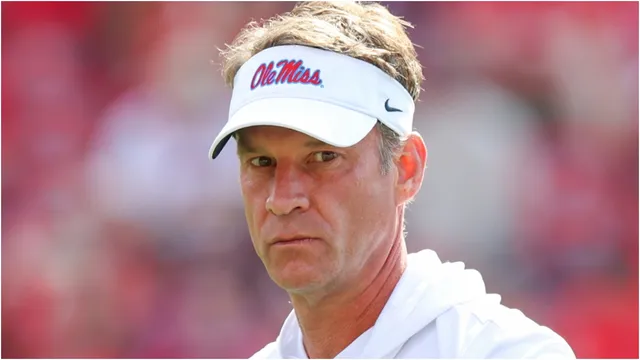
Lane Kiffin leaves Ole Miss for LSU amid coaching chaos
Lane Kiffin leaves Ole Miss for LSU amid coaching chaos
- Kiffin has previously coached at multiple institutions, highlighting a notable career in college and NFL football.
- His recent movement from Ole Miss to LSU has prompted discussions about the ethics of coaching changes during the season.
- Kiffin's actions signify a changing culture in college football, where coaches may leave teams for better opportunities at critical moments.
Story
In the world of college football, change is constant, but few figures create as much drama as Lane Kiffin. Initially gaining attention in January 2007 when he became the youngest head coach in NFL history for the Oakland Raiders, Kiffin's coaching career has been characterized by a series of tumultuous events and high-profile moves. After coaching at several schools including Tennessee and Alabama, he took the helm at Ole Miss. As November 2025 approached, Kiffin made headlines once again by departing Ole Miss to fill the head coach position at LSU. This shift has sparked conversations about the ethical implications of coaching changes in the midst of the season. Many believe this precedent could lead to more instability, especially regarding how schools approach hiring and firing coaches. The drama surrounding Kiffin's decisions exemplifies the ongoing chaos of the coaching carousel in college football, and his departure further emphasizes the urgency for schools to address this evolving landscape. The implications of Kiffin's choices will likely resonate throughout college football for years to come, as athletic directors and coaches reconsider the timing and process of such significant transitions.
Context
The history of the coaching carousel in NCAA football reflects a dynamic and often tumultuous landscape of intercollegiate athletics, marked by high-profile moves, program turnovers, and the pursuit of excellence. Typically, the coaching carousel intensifies following the conclusion of a season, as college football programs evaluate their performance, consider their competitive standing, and make difficult decisions regarding their leadership. This practice has evolved alongside the increasing commercialization of college football, where the stakes are high and fan expectations are unyielding. The transparency of social media and the rise of 24-hour sports news channels have further amplified the frenzy surrounding coaching changes, leading to a heightened sense of urgency and speculation regarding potential hires and firings. Despite being historically a feature of collegiate sports, the scale and frequency of coaching changes have increased dramatically over the last few decades, becoming a prominent aspect of the NCAA football culture. The reasons behind coaching changes can be multifaceted, ranging from unsatisfactory performance to off-field issues, financial considerations, or strategic shifts by athletic departments seeking to bolster their programs. Programs may part ways with head coaches after several seasons of underachievement or following disappointing bowl game results. In some cases, university administrations opt for a fresh perspective to reinvigorate a stalling program. Additionally, the competitive nature of college football has led to 'churn' within coaching ranks, as successful coaches are often targeted by more prestigious programs, creating a ripple effect through the coaching hierarchy. This dynamic competition results in many programs consistently seeking out proven winners, further driving the carousel as they chase after high-profile candidates who command higher salaries and extensive recognition. The impacts of the coaching carousel on teams, players, and recruiting can be profound. Change at the top can instigate a shift in team culture and dynamics, leaving players to navigate uncertainty regarding their future and the future of their program. A sudden coaching change can also disrupt recruitment efforts, as prospective student-athletes may reconsider their commitments based on new coaching philosophies or uncertain prospects for playing time. Additionally, a new coach comes with the potential for a revamped offensive or defensive scheme, which can challenge returning players to adapt quickly. This fluidity can make recruiting highly unpredictable, as athletes weigh the stability and vision of a program in transition against competing offers from more consistent programs. Over time, the coaching carousel in NCAA football has wrestled with significant changes, reflecting both the evolving landscape of higher education and the broader socio-cultural context surrounding college athletics. Increasing media scrutiny and the influx of revenue from television contracts have redefined the expectations placed upon head coaches, resulting in increased pressure to consistently produce winning seasons. As coaching changes become routine, the dialogue around NCAA football coaching practices continues to shift, with debates centering on topics such as program integrity, coach-player relationships, and the overall implications of a transient coaching environment. As college sports evolve, the historical significance of the coaching carousel will likely remain a critical component of NCAA football, shaping the trajectory of programs and defining the experiences of athletes and coaches alike.


