

Ukraine and Russia engage in critical peace talks amid ongoing conflict
Ukraine and Russia engage in critical peace talks amid ongoing conflict
- U.S.-brokered peace talks took place in Geneva with delegations from Russia and Ukraine amid ongoing conflict.
- The discussions focus on territorial disputes and establishing parameters for a ceasefire.
- The outcome of these talks could significantly impact future relations and the humanitarian situation in Ukraine.
Story
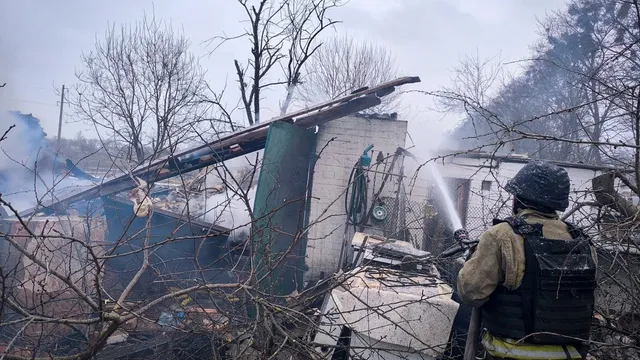
On February 17, 2026, Russian and Ukrainian delegations gathered in Geneva for U.S.-brokered peace talks, nearly four years after Russia's full-scale invasion of Ukraine. These discussions began as both sides have persisted in their positions regarding territorial and security concerns, with Russia insisting on Ukrainian concessions in the disputed eastern Donbas region. As military leaders from the United States, Russia, and Ukraine convened, focus shifted towards the logistics of ceasefire monitoring and implications for a potential demilitarized zone. The meeting comes against the backdrop of ongoing conflict, where the Ukrainian army faces a protracted war of attrition against a larger Russian military presence along a substantial front line. In recent developments, Russian military actions included airstrikes targeting several regions in Ukraine, exacerbating the humanitarian crisis. President Zelenskyy condemned these attacks, which resulted in injuries and disrupted essential services like heating and water supply, particularly in Odesa. Discussions also aim to establish security guarantees for Ukraine that would prevent further Russian aggression, thus addressing one of Kyiv's top priorities in negotiations. This move reflects Ukraine's need for international support and reassurance following years of conflict. The involvement of senior U.S. military officials, including General Alexus Grynkewich and Secretary of the U.S. Army Dan Driscoll, underscores the importance that the United States places on these negotiations. As hostilities continue, the engagement of officials from both nations in Geneva could spell the possibility of a breakthrough in longstanding disputes. However, the deeply entrenched positions concerning territorial integrity and security assurances create significant challenges for any meaningful resolution. This round of talks will be critical in shaping future discussions and potentially bringing about a prolonged ceasefire as both countries tread cautiously amid the shifting dynamics of international diplomacy.
Context
The historical context of the Russia Ukraine conflict dates back several centuries, rooted deeply in complex political, cultural, and economic ties. Ukraine, situated at a geographic crossroads, has experienced numerous migrations, invasions, and influences from neighboring powers, particularly Russia. After the dissolution of the Soviet Union in 1991, Ukraine gained independence, leading to the emergence of a distinct national identity, further intensified by historical grievances, language disparities, and the influence of both Western and Russian spheres. The tension between aligning with Western institutions like the European Union and NATO versus maintaining strong ties with Russia has been a recurring theme in Ukraine's post-Soviet politics. The significant turning point in the Russia Ukraine conflict occurred in late 2013 and early 2014, when widespread protests known as the Euromaidan movement erupted in response to the then-president Viktor Yanukovych's decision to suspend an association agreement with the EU. This resulted in his eventual ousting and escalated geopolitical tension. Russia viewed the loss of Ukraine as a threat to its influence in the region and responded by annexing Crimea in March 2014, a move condemned by Ukraine and the international community as a violation of international law. The annexation set off a series of events that led to conflict in Eastern Ukraine, particularly in the Donetsk and Luhansk regions, where pro-Russian separatists declared independence, igniting a brutal armed conflict. Despite multiple attempts at ceasefires and diplomatic resolutions, such as the Minsk agreements, fighting has continued intermittently. The conflict has drawn international attention, with Western nations imposing sanctions on Russia and providing varying levels of support to Ukraine. The humanitarian toll has been devastating, with thousands of lives lost, millions displaced, and significant economic hardship inflicted on the region. Public sentiment within Ukraine has increasingly leaned toward nationalism and a desire for sovereignty, spurred by Russian aggression and misinformation campaigns that have sought to destabilize the country. As of early 2026, the situation remains complex, with ongoing military engagements and a fragile political atmosphere. Ukraine continues to seek integration with the West, but the path remains fraught with challenges, including internal divisions and persistent Russian influence. The historical context serves as a backdrop that complicates current events and suggests that resolution is contingent upon addressing underlying issues such as national identity, sovereignty, and geopolitical aspirations. Thus, understanding the historical context is crucial for anyone looking to grasp the nuances of the current conflict.


