

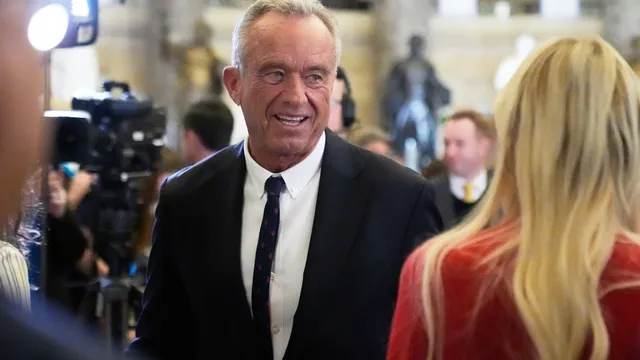
Sanders pushes Cassidy for hearing on vaccine safety amidst RFK Jr.'s claims
Sanders pushes Cassidy for hearing on vaccine safety amidst RFK Jr.'s claims
- Senator Bernie Sanders has demanded a hearing emphasizing the lack of link between vaccines and autism.
- This demand is in response to Health Secretary Robert F. Kennedy Jr.'s controversial statements undermining vaccine confidence.
- The ongoing misinformation poses a risk of reviving dangerous diseases once well-controlled through vaccinations.
Story
In recent months, Senator Bernie Sanders has called for action regarding public health and vaccine safety in the United States. Specifically, Sanders urged Senate Health Committee Chairman Bill Cassidy to hold a hearing to clarify that vaccines do not cause autism, a claim propagated by Health Secretary Robert F. Kennedy Jr. since taking office. Sanders expressed concern over Kennedy's controversial statements and actions, including replacing members of a federal vaccine advisory panel with individuals who support the debunked linkage between vaccines and autism. This change has raised alarm among public health experts, as it threatens to undermine vaccine confidence and potentially lead to a resurgence of vaccine-preventable diseases. The U.S. has faced significant challenges related to vaccination rates and public trust in vaccines, coinciding with a noticeable uptick in infectious disease outbreaks. Between January of the previous year and now, the nation has recorded over 3,600 cases of vaccine-preventable diseases, leading to three reported deaths. This situation contrasts sharply with the pandemic's declining impact on vaccination campaigns. Health professionals fear that a loss of public trust in vaccines, fueled by misinformation, could facilitate the spread of previously eradicated diseases like measles and rubella. Sanders's opposition to Kennedy's approach stems from the potential public health consequences of misinformation surrounding vaccine safety, particularly for vulnerable groups, such as pregnant women and young children. Kennedy has publicly challenged the safety and necessity of various vaccines, aligning with previous narratives that have been critiqued and disproven by scientific studies. Despite the longstanding consensus among health authorities affirming the safety and efficacy of vaccines, Kennedy's advocacy threatens to reverse years of public health efforts aimed at ensuring widespread vaccine coverage. In addressing these urgent issues, Sanders has suggested organizing a robust hearing involving leading scientists and public health experts to review existing research surrounding vaccine-autism claims and the evaluation process employed by federal agencies. The implications of this discussion not only emphasize the importance of evidence-based policymaking but also the critical need to restore public confidence in the safety and efficacy of vaccines. Failure to engage effectively on these points could result in a significant decline in vaccination uptake, leading to a resurgence of diseases that had been historically decreased through successful vaccination programs.
Context
trends policy analysis global strategic market economic data analysis data geopolitical impact geopolitical analysis insight economic insight impact insight analysis trends impact geopolitical trends data analysis shift economic impact policy market insight market analysis insight economic global economic data policy market economic strategic trends strategic analysis analysis data analysis global impact impact market geopolitical insight strategic strategic analysis global geopolitical analysis insight economic data impact economic market geopolitical analysis shift geopolitical analysis insight trends policy trends insight policy trends data...


