

Queen advocates for survivors of violence in major speech
Queen advocates for survivors of violence in major speech
- The Queen delivered a speech on March 8, 2026, highlighting the need for solidarity with survivors of violence.
- Her remarks were perceived as a response to the ongoing Epstein scandal involving Prince Andrew.
- This event illustrates the royal family's attempt to address pressing social issues and enhance their public image.
Story
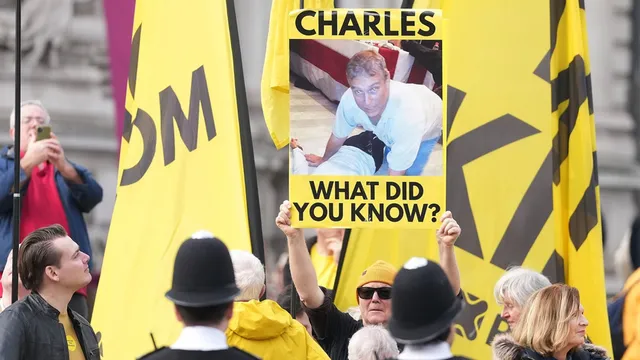
On March 8, 2026, in a speech at St James's Palace in London, the Queen expressed solidarity with survivors of violence and sexual abuse, referencing the ongoing fallout from Andrew Mountbatten-Windsor's connections to the late Jeffrey Epstein. Her speech, marking International Women's Day, addressed the culture of silence surrounding violence against women and emphasized the need for these stories to be shared. This event was particularly significant as it marked the first public appearance of the royal family since Prince Andrew's arrest, garnering attention amidst protests and calls for accountability. The Queen wore a badge from Gisèle Pelicot, a rape survivor, advocating for change in societal perceptions of violence against women. Camilla, the Queen Consort, also spoke out against these issues, condemning cultures that enable such violence. Both royal figures highlighted the necessity of breaking the silence surrounding abuse and supporting survivors, firmly placing the royal family amidst the ongoing discussions regarding their member's past associations with Epstein. The royal family's response demonstrates an awareness of its public image and the significant social issues it faces in light of recent scandals. This backdrop of advocacy and support for survivors occurs while the royal family navigates the complexities of their legacy and public duty.
Context
The impact of the Epstein scandal on public figures has been profound and far-reaching, affecting individuals in various sectors such as politics, entertainment, and finance. Following the accusations and subsequent revelations about Jeffrey Epstein's numerous illegal activities, numerous prominent figures found their reputations tarnished. High-profile connections to Epstein led to public scrutiny, media investigations, and in many cases, significant consequences for those involved. The scandal highlighted issues of power, privilege, and complicity, prompting a reevaluation of how society views accountability among influential individuals. Many public figures who previously maintained untarnished images faced backlash, with some even losing their positions or being forced to step back from public engagements. Individuals from diverse backgrounds—including politicians, celebrities, and business leaders—came under fire once their associations with Epstein or involvement in questionable activities were brought to light. As a result, organizations and institutions began to implement stricter policies regarding ethics and conduct to protect their reputations and maintain public trust. The fallout from the scandal also played a role in the broader conversation about sexual abuse, exploitation, and the justice system's handling of such cases. Advocacy groups gained momentum as they called for systemic changes to protect vulnerable individuals and ensure accountability for perpetrators. This shift prompted public figures to either distance themselves from Epstein's legacy or actively support movements seeking justice for victims, reflecting a growing awareness around issues of consent and the obligations of those in power. In summary, the Epstein scandal has served as a catalyst for critical scrutiny of public figures and their impact on societal norms. It has reshaped the expectations regarding accountability, fairness, and the ethics of influence, marking a significant turning point in how the public navigates relationships with those in positions of power. As the implications of the scandal continue to unfold, it will undoubtedly remain a subject of analysis and discussion, reshaping cultural and institutional landscapes for the foreseeable future.


