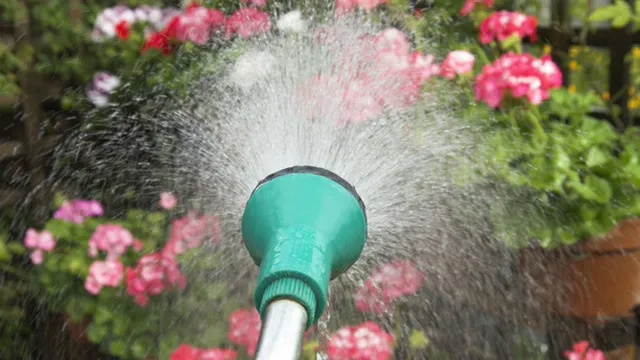
In Ireland, a hosepipe ban is set to be implemented nationwide starting from July 24, 2026, in response to ongoing water shortages. This ban expands upon existing restrictions already in place in Dublin, south Tipperary, and parts of Kildare, Meath, Wexford, and Wicklow. Uisce Éireann, the national water utility, has indicated that the decision is necessary to protect public water supplies as several groundwater sources are showing signs of stress due to recent hot weather and low rainfall. The ban is expected to last until August 26, 2026, but could be extended if weather conditions do not improve. The organization has noted that high water demand is exacerbated by the current heatwave, which follows three unprecedented heatwaves and the driest spring on record for England and Wales. Uisce Éireann is urging the public to conserve water and has reported a decrease in water usage in the Greater Dublin Area since the initial restrictions were imposed. The hosepipe ban prohibits the use of hosepipes for various activities, including watering gardens and cleaning vehicles, and applies to all households. Exceptions exist for certain customers, allowing them to use watering cans and fill ponds under specific conditions. The public's response has been mixed, with some creatively attempting to bypass the ban while others express frustration over the restrictions. Uisce Éireann continues to encourage practical water conservation measures at home, such as taking shorter showers and reporting leaks.