

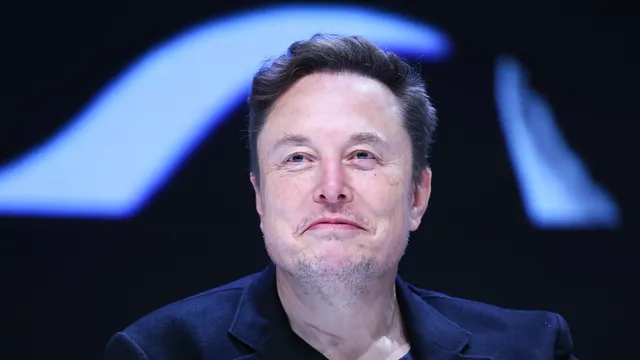
SpaceX acquires xAI to dominate AI and space exploration
SpaceX acquires xAI to dominate AI and space exploration
- SpaceX confirmed its acquisition of xAI, combining Musk's interests in aerospace and AI.
- The deal aims to launch a vast constellation of satellites to enhance AI capabilities.
- This merger makes the combined company the largest in history and may reshape the AI and space industries.
Story
On February 2, 2026, in a significant development for both the aerospace and artificial intelligence sectors, Elon Musk's SpaceX announced its acquisition of xAI, the AI startup he founded. This merger aligns Musk's vision to build data centers in space, a strategic move aimed at enhancing AI capabilities by leveraging the vast resources and location that space provides. Musk highlighted that the combined valuation of the two companies is approximately $1.25 trillion, making it the largest merger in history. The acquisition positions SpaceX, valued at $1 trillion, at the forefront of innovation, by integrating AI technologies with aerospace infrastructure. The merger is part of a broader strategy to bolster Musk's various business interests, which already include Tesla and Neuralink. By acquiring xAI, which has burned through roughly $1 billion a month to reach a current valuation of approximately $250 billion, Musk is consolidating resources and talent to expedite AI advancements. The plan includes launching a large constellation of satellites to serve as orbital data centers that would enable more efficient AI computations, further solidifying SpaceX's place in the industry while potentially revolutionizing how AI is developed and deployed. Despite the ambitious plans, there are concerns about the regulatory landscape and potential scrutiny over Musk's overlapping leadership roles in multiple companies. Critics argue that consolidating too many ventures under one umbrella could lead to conflicts of interest, governance issues, and technical challenges, particularly in the realm of satellite deployment and data management. Furthermore, Musk's previous ambitious deadlines have faced skepticism from stakeholders, prompting speculation over whether he can achieve the forecasts he sets for this new venture. The merger symbolizes a pivotal moment in Musk's efforts to integrate AI with space exploration. By launching a massive number of satellites, SpaceX aims to address the power demands of AI computations and create an environment conducive to rapid AI model training and data processing. Musk believes that in the next two to three years, generating AI computational power in space will become the most cost-effective solution, enabling groundbreaking advancements that could benefit various sectors, from physics to technology development. Ultimately, this merger has the potential to reshape the landscape of both industries and push the boundaries of what is possible in AI and space exploration.
Context
Elon Musk has been at the forefront of several space-based initiatives that leverage artificial intelligence (AI) for various applications. His ventures, particularly through SpaceX and other associated companies, aim to revolutionize not just space travel but also how we utilize technology in extraterrestrial environments. SpaceX has been developing technologies that incorporate AI to enhance the performance of rockets and spacecraft, ensuring safer and more efficient missions. By implementing advanced algorithms and machine learning techniques, SpaceX aims to optimize launch schedules, improve navigational precision, and manage in-flight processes with minimal human intervention. The creation of autonomous spacecraft could potentially lead to a new era of space exploration, with missions that could autonomously adjust their paths based on real-time data from the cosmos. The growing alongside of AI with Musk's endeavors includes plans for creating a global satellite constellation through Starlink. This initiative not only aims to provide internet access across remote regions on Earth but may also serve as a foundational platform for developing AI systems that operate in space. The interconnected nature of satellites can assist in gathering massive amounts of data from across the universe, which can be processed by AI systems to provide insights on celestial phenomena and improve our understanding of space. Moreover, AI-enabled satellite networks could potentially monitor environmental changes on Earth, contributing to efforts that address climate change and other pressing global challenges. Musk's vision extends beyond Earth, with ambitious goals for Mars colonization and the establishment of a human presence on other planets. Central to these concepts is the application of AI to support life in hostile environments. Musk envisions AI systems capable of managing resources, assisting with construction, and enabling sustainable living conditions for future settlers on Mars. In line with his exploration goals, initiatives surrounding the development of AI technologies also focus on robotic systems that can carry out tasks on other planets, such as mining and building infrastructure, which would be critical for sustaining human life in extraterrestrial settings. In summary, Elon Musk's space-based AI initiatives are aimed at pushing the boundaries of what technology can achieve in space exploration and habitation. By integrating AI into the core of his projects—from optimizing space travel logistics to supporting extraterrestrial colonies—Musk is helping to pave the way for future advancements that could fundamentally change our understanding of life beyond Earth. While these initiatives remain in various stages of development, they highlight the synergy between artificial intelligence and the exploration of outer space, making them a focal point of interest for researchers, industry experts, and the general public alike.


