
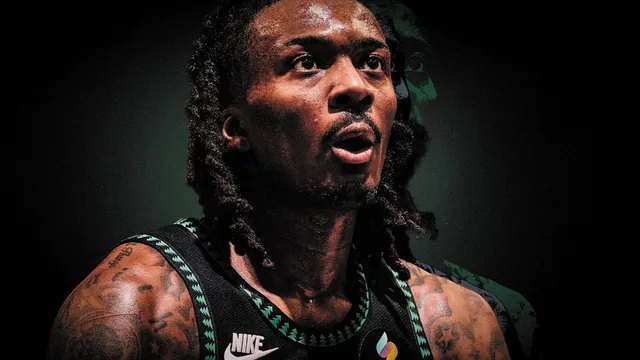
Bones Hyland thrives in adversity while showcasing his talent
- Bones Hyland faced tragedies that impacted his early life and basketball career.
- He made an impressive rookie season debut with notable performances for the Denver Nuggets.
- Hyland's resilience and community support helped him embrace challenges, shaping him into a key player.
Story
Bones Hyland, a promising basketball player, has faced numerous adversities in his career but has continually found strength through them. Originally from Wilmington, Hyland experienced personal tragedies that eventually led him to embrace a new life in Minnesota. In Minnesota, Hyland became enveloped in a community that supported his journey toward recovery and success in basketball. The support from Wilmington helped him rebound from setbacks, finally making a significant impact during his rookie season in the NBA. Hyland began to flourish, scoring impressive points in games and becoming a key player for the Denver Nuggets. During his time with the Nuggets, he showcased his capabilities by scoring remarkable point totals, including a 24-point game against the Atlanta Hawks and 27 points against the Los Angeles Lakers. His talent and dedication led to consistent performances, where he achieved double-figures in 13 of his last 16 games, aiding the Nuggets in their playoff push. Hyland's journey was both a testament to his determination and the influence of those who believed in him, such as the coach of the Minnesota Timberwolves, who encouraged him to adapt his skills to suit the team’s needs. However, Hyland's struggles with the team were not over; he maneuvered through the trials of team dynamics and personal injuries. While dealing with past disappointments and competing for a role in a squad light at point guard, he never hesitated to push through adversity. With a strong mentality, he took the lead, elevating his teammates' energies and showcasing a commitment to improve personally and collectively. His scoring surged close to the All-Star break, consolidating his status as an emerging leader on the Timberwolves and inspiring confidence in his teammates and coaching staff. Despite a rocky past, Hyland considered himself a warrior destined for greatness. His commitment to the game and emotional resilience allowed him to rise above previous mistakes. Instead of growing bitter about lost time and limited playtime, Hyland used his experiences as fuel, channeling them into performances and work ethic. This attitude encapsulated Hyland's approach to basketball and life, where every moment on the court served not just as a battle for points but a reaffirmation of his passion for the game and connection to the community.
Context
The impact of community support on athletes is profound and multifaceted, influencing their performance, mental well-being, and overall development. Community support encompasses various forms of encouragement, whether from family, friends, local organizations, or sports clubs. This support system plays a crucial role in creating a conducive environment for athletes, particularly at the grassroots level, where many athletes first discover their passion for sports. Local communities contribute to athletes' training by providing resources, facilities, and funding, which are vital for their growth. Furthermore, the presence of a supportive community can enhance the visibility of athletes, helping them to secure sponsorships and endorsements, which are essential for their professional journeys. Through emotional and social support, community backing aids in developing an athlete's mental resilience. Athletes often face numerous challenges, including injury, performance pressure, and competition-related stress. In this context, community support serves not just as encouragement during victories but is also crucial during setbacks and adversities. Athletes who perceive a strong community presence are more likely to maintain their motivation and commitment, as they feel connected to a larger network that values their efforts and achievements. Community events, local competitions, and social gatherings create a sense of belonging that can shield athletes from isolation, improve their self-esteem, and bolster their confidence. Moreover, community support can bridge the gap between professional and amateur levels of sport. Initiatives designed to promote sports often emerge from community engagement, including mentorship programs, training camps, and workshops which connect experienced athletes with younger or budding sports enthusiasts. These connections not only provide skill development opportunities but also instill a strong work ethic and sportsmanship values among young athletes. Consequently, when a community invests in its athletes, it directly contributes to the nurturing of future talent that can represent the community on larger stages, including national and international competitions. In conclusion, the influence of community support on athletes extends beyond immediate performance enhancement; it fosters an environment where athletes can thrive emotionally, socially, and professionally. The reciprocal relationship between athletes and their communities emphasizes the importance of mutual support, as athletes inspire community pride while communities, in turn, play a vital role in their success. Harnessing the power of community support not only benefits athletes but also enriches the broader social fabric through the promotion of healthy lifestyles, teamwork, and camaraderie.
