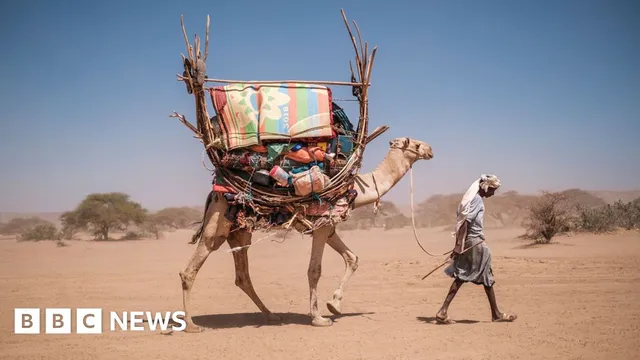
Climate change is increasingly recognized as a significant threat to biodiversity and ecosystems worldwide, and its impact on livestock, particularly camels in Africa, is a growing concern. Camels, known for their resilience to harsh environments, are traditionally adapted to arid and semi-arid regions. However, rising temperatures, altered precipitation patterns, and extreme weather events associated with climate change are challenging their survival and productivity. The changing climate affects the availability of forage and water resources, which are critical for camel health and productivity. As droughts become more frequent and severe, the competition for these resources intensifies, leading to malnutrition and increased mortality rates among camel populations. Furthermore, the stress from heat and dehydration can reduce reproductive rates and overall herd viability, threatening the livelihoods of pastoral communities that depend on these animals for sustenance and economic stability.
In addition to direct impacts on camel health, climate change also poses indirect threats through the alteration of disease dynamics. Warmer temperatures can expand the range of pathogens and parasites that affect camels, leading to increased disease prevalence. This shift can overwhelm traditional veterinary practices and exacerbate the challenges faced by pastoralists in managing their herds. Moreover, the socio-economic implications of climate change on camel herding communities are profound. As environmental conditions deteriorate, many pastoralists may be forced to migrate in search of better grazing lands and water sources, leading to conflicts over resources and disrupting traditional migratory patterns. This displacement can further marginalize these communities, making them more vulnerable to poverty and food insecurity.
Adaptation strategies are essential to mitigate the impacts of climate change on camels and the communities that rely on them. These strategies may include improving water management practices, diversifying forage sources, and enhancing veterinary care to address emerging health challenges. Additionally, integrating traditional knowledge with scientific research can help develop more resilient camel breeds and improve herd management practices. Governments and organizations must also support pastoralists through policies that promote sustainable land use and provide access to resources that can help them adapt to changing conditions. Education and training programs can empower communities to implement these strategies effectively, ensuring that they can continue to thrive in the face of climate change.
In conclusion, the impact of climate change on camels in Africa is a multifaceted issue that requires urgent attention. The health and productivity of camels are threatened by rising temperatures, changing precipitation patterns, and increased disease risks, which in turn jeopardize the livelihoods of pastoral communities. To address these challenges, a combination of adaptation strategies, policy support, and community engagement is essential. By fostering resilience in both camel populations and the communities that depend on them, it is possible to mitigate the adverse effects of climate change and secure a sustainable future for these vital resources.