Trump threatens tariffs over Greenland acquisition plans
- President Trump announced plans to impose tariffs on nations opposing the U.S. acquisition of Greenland.
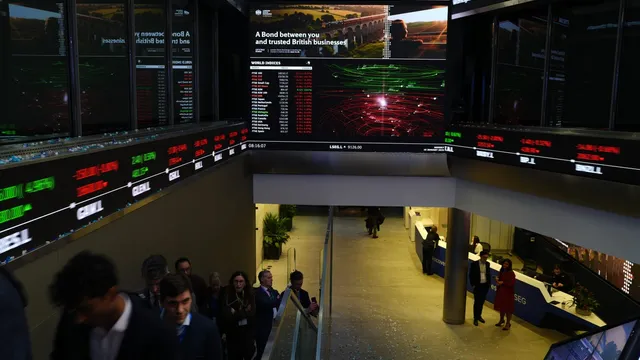
- The stock market saw major declines as investors reacted to the tariff threats, leading to a selloff of U.S.-linked assets.
- Concerns over U.S. financial stability and foreign relations are at the forefront of discussions surrounding Trump's Greenland ambitions.
Story
In recent months, President Donald Trump has made bold claims regarding the acquisition of Greenland, a territory within the Kingdom of Denmark. After several European nations rejected his proposal, particularly Denmark, Trump announced plans to impose escalating tariffs, starting at 10 percent on February 1, and increasing to 25 percent by June 1. This declaration has notably provoked a swift selloff in U.S. markets, with major stock indexes experiencing significant declines, and the U.S. dollar hitting a two-week low. Investors appear concerned about prolonged uncertainty and potential retaliation, igniting fears of a global trade war similar to the one that commenced in April of the previous year. On the day the markets reopened following Martin Luther King Jr. Day, the Dow Jones plummeted by 1.8 percent, while the S&P 500 and Nasdaq fell by 2.1 percent and 2.4 percent, respectively. The selloff has been attributed to a growing pessimism regarding U.S. financial stability and decreasing confidence in the current administration's leadership. These concerns have prompted a Danish pension fund to divest entirely from its positions in U.S. Treasuries, amounting to approximately $100 million, with the fund citing poor U.S. government finances as a contributing factor. Despite these developments, the Trump administration has attempted to downplay the situation. As Treasury Secretary Scott Bessent put it while speaking at the World Economic Forum, investments from Denmark in U.S. Treasuries are not significant or relevant. The ongoing narrative around Trump's Greenland aspirations suggests a radical departure from traditional foreign policy strategies, leading to heightened tensions and discussions around the broader implications of such actions on international relationships, particularly with NATO allies. While President Trump claimed that no military force would be utilized in securing Greenland, his approach has drawn mixed reactions domestically and abroad. Many critics, including editorial voices, have urged him to abandon these ambitions and focus instead on critical global issues, such as the ongoing conflict in Ukraine. Further complicating matters are Trump's continued controversial remarks that paint NATO in an unflattering light, potentially undermining the alliance that has historically stood strong through various global conflicts. As he seeks immediate negotiations regarding Greenland, the consequences of his rhetoric and decisions raise pressing questions about U.S. foreign policy and its reception by international partners moving forward.
Context
The impact of Trump tariffs on the U.S. economy has been a significant topic of analysis and debate since their implementation. These tariffs were intended to protect American manufacturing, reduce trade deficits, and foster domestic growth. Specifically targeting a range of imports, primarily from China, the tariffs altered the landscape of trade and economics in the United States. Initial expectations were that these measures would strengthen the U.S. manufacturing sector and create jobs; however, the outcomes have been complex, revealing both benefits and drawbacks for various stakeholders in the economy. One of the key impacts of the Trump tariffs has been the increase in prices for consumers and businesses reliant on imported goods. Companies that depend on materials or components from overseas faced higher costs, which were often passed onto consumers. As a result, individuals saw increased prices in a wide range of goods, from electronics to food products. Although the tariffs aimed to protect U.S. industries, many companies struggled to absorb these added costs, leading to a ripple effect throughout the economy. Consequently, while certain domestic sectors benefited from reduced foreign competition, the overall increase in costs raised concerns regarding inflation and consumer purchasing power. Moreover, the tariffs led to a notable shift in trade patterns. In efforts to avoid tariffs, some companies relocated their supply chains, seeking to source materials from countries that were not subject to the same tariffs. This trend highlighted a reorientation of trade, which sometimes resulted in instability within the industries that had thrived under previous agreements. Some firms were forced to make difficult decisions, including layoffs or closures, when they could no longer compete effectively. In contrast, certain sectors, particularly steel and aluminum, saw short-term gains due to decreased competition from imports, reflecting the intricate balancing act of such trade policies. In summary, the Trump tariffs have had a multifaceted impact on the U.S. economy, illustrating both protective and adverse effects. While some industries gained competitive advantages and domestic investments were encouraged, consumers faced higher prices, and many businesses encountered increased operational challenges. As discussions surrounding international trade continue, understanding the full scope of the tariffs' implications will be crucial for shaping future policy and fostering a balanced economic environment.