

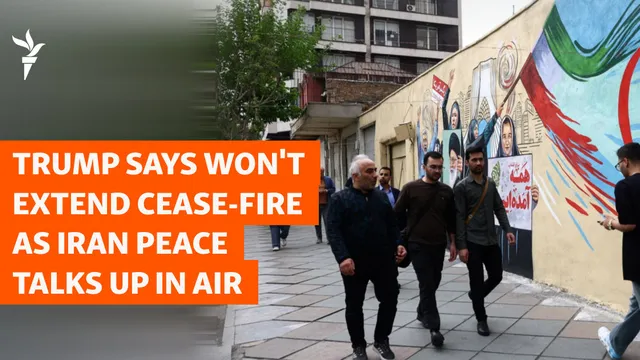
Trump refuses to extend cease-fire as Iran negotiations remain uncertain
Trump refuses to extend cease-fire as Iran negotiations remain uncertain
- On April 21, 2026, Donald Trump announced that the temporary cease-fire with Iran would not be extended, as it neared its expiration date.
- Iran's participation in the expected talks remained uncertain, with state media denying any delegation was in Islamabad.
- The situation indicates high tensions as both countries weigh their options, leaving the chances of resuming conflict possible.
Story
In a developing situation involving the United States and Iran, U.S. President Donald Trump stated on April 21, 2026, that he does not intend to extend a cease-fire that is about to expire. This cease-fire was critical as Washington anticipated the continuation of negotiations with Tehran regarding their escalating conflict. Trump's comments were made during a live phone interview with CNBC, where he expressed a strong belief that the U.S. holds a favorable negotiating position. While expectations for talks increased, the actual participation from Iran has not yet been confirmed publicly. Trump warned that he expected military action to potentially resume, indicating a readiness for confrontation if negotiations fail to meet U.S. demands. These demands include Iran's compliance with an end to the blockade of its ports and recognition of its right to enrich uranium. As the cease-fire deadline approached, there were conflicting reports about the status of the discussions. Pakistan has acted as a mediator in the ongoing peace process, and officials from both the U.S. and Iran have hinted at the possibility of resuming talks. Despite these vague indications, Iranian state media denied the presence of an official delegation in Islamabad, which raised further questions about the feasibility of negotiations. The geopolitical landscape remains tense, with the potential restart of conflict looming if a satisfactory agreement cannot be reached soon. Shipping disruptions have significantly impacted global trade since the conflict began, with the Strait of Hormuz being a crucial area through which a substantial portion of world oil and gas travel. As both sides maneuver diplomatically, the potential for escalation remains high, making the coming days crucial for determining the future of relations between the U.S. and Iran.


