

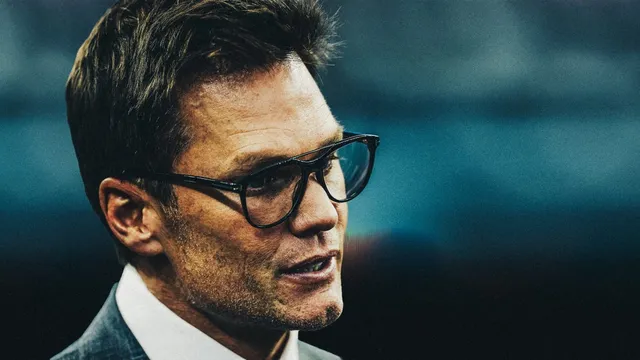
Tom Brady secures record deal with Fox Sports for NFL commentary
Tom Brady secures record deal with Fox Sports for NFL commentary
- Tom Brady transitioned into various business ventures after retiring from the NFL.
- He became a minority owner in multiple professional sports teams, including the Las Vegas Raiders and Birmingham City.
- Brady signed a record-breaking contract with Fox Sports for NFL commentary, underlining his continued influence in sports.
Story
The United States has witnessed the remarkable transition of Tom Brady, legendary quarterback and seven-time Super Bowl champion, into various business ventures following his illustrious NFL career. In mid-2022, he successfully entered the booming wellness industry by becoming the 'Chief Wellness Officer' for eMed Population Health, aligning with the increasing public interest in health and wellness. Moreover, Brady made headlines when he became a minority owner in several sports organizations, including the Las Vegas Raiders NFL team and the Las Vegas Aces WNBA team, showcasing his deep engagement with professional sports even after retirement. In 2023, Brady ventured into international sports by purchasing a minority stake in Birmingham City, an English soccer team, which only solidified his reputation as a versatile investor. This unique position has prompted him to acknowledge the challenges of adapting to a sport that is different from American football, indicating his willingness to learn and grow in this new arena. His investments also extended into the rapidly growing world of pickleball, further highlighting his diverse interests. After the NFT market's collapse in 2022, Brady's venture firm, Autograph, pivoted to hosting experience-driven events, including watch parties for major sports occasions. This shift reflects his understanding of the market dynamics and the need for innovation. In 2025, Brady's partnership with Hertz continued as they worked on promoting Hertz's used car sales after a previous collaboration that lacked impact. Despite setbacks, Brady's tenacity in exploring new avenues remains consistent. The most notable development came when Brady signed a monumental 10-year contract with Fox Sports, reported to be worth $375 million, which marks the largest deal in sports commentary history. This agreement allows him to share his extensive NFL knowledge and insights, adding significant value to the Fox Sports network. However, due to his minority ownership stake in the Las Vegas Raiders, Brady faces restrictions that prevent him from engaging in certain league operations, such as accessing other teams' facilities or attending crucial pre-game discussions. This unique situation showcases the complex dynamics at play in the world of sports ownership and media.
Context
The wellness industry is rapidly transforming the landscape of sports, presenting both challenges and opportunities for athletes, coaches, and organizations. As awareness of physical and mental health rises, the wellness sector—encompassing nutrition, fitness, mental well-being, and recovery practices—is influencing training regimens and performance optimization. Athletes are increasingly integrating wellness-focused approaches into their routines, utilizing techniques such as mindfulness and yoga to enhance focus and reduce stress. This holistic strategy aims to improve not just physical capabilities but also mental resilience, which is critical in high-pressure sporting environments. The infusion of wellness philosophies into sports is evident in the growing popularity of personalized nutrition plans and supplementation. Athletes are seeking guidance from nutritionists to curate individualized diets that support their unique training needs and optimize recovery processes. This movement highlights a significant shift away from generic dietary guidelines toward a more personalized framework that acknowledges the distinct physiology of each athlete. Consequently, sports organizations are beginning to prioritize wellness as a fundamental aspect of athlete development, reflecting the belief that overall well-being directly correlates with performance outcomes. Furthermore, the rise of technology in the wellness space is paving the way for innovative training methods and monitoring systems. Wearable devices and apps that track physical activity, sleep patterns, and recovery metrics offer athletes and coaches data-driven insights, facilitating evidence-based adjustments to training practices. This technological convergence allows for a more nuanced understanding of an athlete's health and performance, empowering them to make informed decisions and enhancing their competitive edge. Athletic programs are increasingly adopting these tools as part of their wellness strategy, leading to improved outcomes for teams and individual athletes alike. However, the incorporation of wellness practices into sports does not come without its controversies. There is a risk of overemphasis on wellness trends that may lack scientific backing, potentially leading to misguided practices that could harm athletes rather than help them. Moreover, the commercialization of wellness within sports raises concerns about access and equity, as not all athletes have the resources to utilize these services. Thus, while the impact of the wellness industry on sports is significant and holds great promise, it also necessitates a critical evaluation of practices to ensure they are grounded in science and accessible to all athletes, promoting a sustainable and equitable approach to health in sports.


