

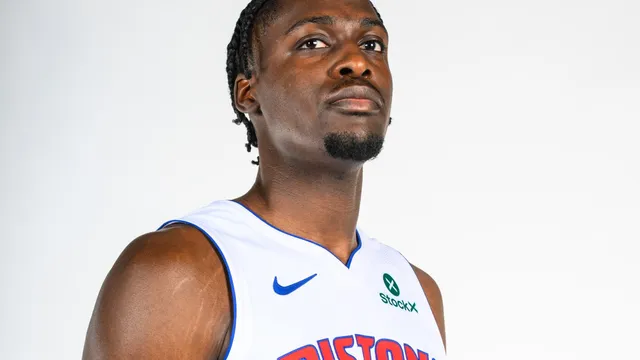
Charles Bediako gets NCAA eligibility ruling despite NBA ties
Charles Bediako gets NCAA eligibility ruling despite NBA ties
- Charles Bediako received a temporary restraining order allowing him to play for Alabama after declaring for the NBA draft.
- The NCAA criticized the decision, asserting it undermines opportunities for high school players and raises concerns about amateurism.
- The case may lead to significant changes in college basketball and eligibility rules if the trend of former pros returning continues.
Story
In the United States, a Tuscaloosa County judge allowed Charles Bediako, a former Alabama center who played in the G League, to return to college basketball with the Crimson Tide after he entered the 2023 NBA draft but went undrafted. The NCAA, facing increasing scrutiny and pressure, has seen criticism of rulings that allow former professional players to re-enter college sports, as it raises questions about the integrity of college athletics. The judge's decision has sparked outrage among coaches and institutions, including Florida's Todd Golden, who publicly doubted the appropriateness of the ruling. He predicted victory for his team against Alabama, framing the situation as unfair competition. With a hearing scheduled for January 27 regarding Bediako's motion for an injunction, the ramifications of this case could significantly alter the landscape of college basketball and its eligibility rules.
Context
The impact of court rulings on NCAA eligibility is a critical area of discussion as it fundamentally shapes the landscape of college athletics. Decisions made by various courts have the potential to alter the rules and dynamics through which student-athletes navigate their eligibility, particularly in light of evolving interpretations of existing laws and regulations. These rulings address a range of issues including athletes' rights, compensation, and their ability to transfer between schools without facing punitive measures, all of which feed into the broader discourse on equity and fairness in college sports. Historically, the NCAA has maintained strict eligibility criteria governed by its own rules, often citing amateurism and the preservation of college athletics as the foundation for these regulations. However, with changing societal norms and increasing scrutiny from the public and the legal system, courts have begun to challenge the legitimacy of these rules. Notable cases, such as the O'Bannon vs. NCAA ruling, have set precedents by affirming that student-athletes may be entitled to compensation for the use of their likeness and image. This has opened the doors for further litigation that may continue to redefine what it means to be an amateur athlete in a revenue-generating context. Furthermore, recent court decisions have also focused on the rights of student-athletes to transfer schools freely. The NCAA’s previous regulations that imposed waiting periods or additional conditions for athletes who wished to transfer have been scrutinized. Rulings that favor athletes’ rights to change their institution without penalty have been seen as a necessary evolution towards recognizing their status as both students and athletes, allowing them greater agency over their educational and athletic careers. This shift reflects a growing sentiment that student-athletes should not be constrained by regulations that have historically favored institutional interests over individual rights. As we look to the future, the ongoing dialogue surrounding court rulings and NCAA eligibility will likely continue to evolve. The implications of these decisions extend beyond mere eligibility; they also engage broader discussions about the ethics of college sports, the treatment of athletes, and the financial structures that underpin NCAA institutions. Legal precedents will play a significant role in shaping policies that govern athletic participation, compensation for athletes, and the overall integrity of college sports. As such, stakeholders across the spectrum—universities, governing bodies, athletes, and advocates—must remain vigilant and responsive to the ramifications of these judicial decisions.


