

politics
controversial
impactful
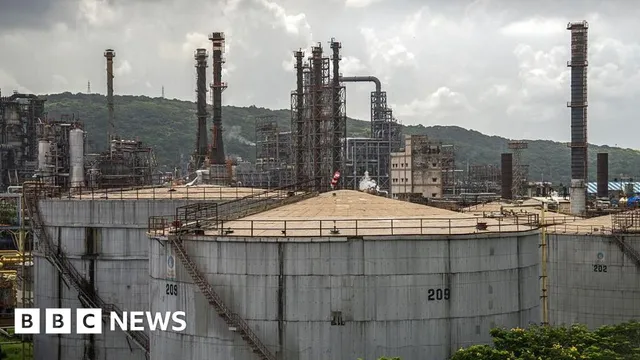
US grants India waiver to buy Russian oil amid Middle East crisis
Mar 6, 2026, 8:11 AM20
(Update: Mar 7, 2026, 1:18 AM)
politics
controversial
impactful
US grants India waiver to buy Russian oil amid Middle East crisis
- US Treasury Secretary Scott Bessent issued a 30-day waiver for India to purchase stranded Russian oil amidst ongoing tensions in the Middle East.
- The Strait of Hormuz's closure has left millions of barrels of oil stranded, creating potential energy supply issues for India.
- The waiver is aimed at alleviating immediate pressures on global oil supplies without significantly benefiting Russia financially.
Insights
News 2 2
Related reports
Opinions
Story
“
impact strategic trends strategic trends market policy market trends trends policy data strategic economic impact insight shift geopolitical strategic shift geopolitical strategic trends market insight impact economic shift analysis data market data shift insight market global trends global trends analysis market strategic geopolitical data impact policy strategic trends geopolitical geopolitical market trends geopolitical insight market trends policy economic data insight analysis economic trends trends impact trends geopolitical global geopolitical impact insight geopolitical policy economic geopolitical impact trends insight economic shift...
2026 All rights reserved



2026 All rights reserved