

US prepares for prolonged military action against Iran
US prepares for prolonged military action against Iran
- The US military is planning a multi-week operation against Iran if President Trump gives the order.
- Negotiations over the Iranian nuclear program are taking place amid heightened military pressures.
- A military campaign against Iran could trigger significant conflict and retaliation from both sides.
Story
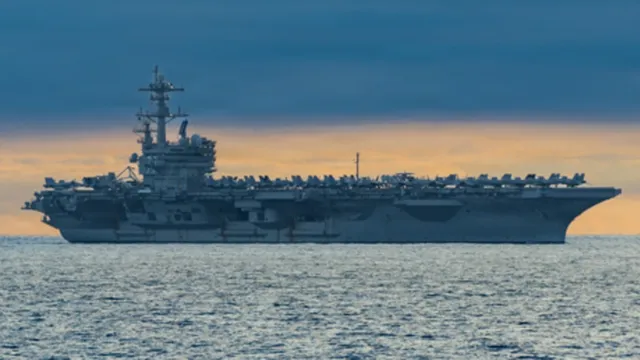
In recent days, tensions between the United States and Iran have escalated significantly as military preparations intensify. The US military has reportedly begun planning for a sustained, multi-week operation against Iran, contingent upon President Donald Trump's orders. This potential military campaign comes amid ongoing negotiations over Iran's nuclear program and follows increased military pressure on Tehran. Discussions have occurred between officials from both nations, highlighting that while there are negotiations, Iran remains resolute in its stance regarding its nuclear program and has indicated a readiness for military confrontation if diplomatic efforts fail. Iranian Foreign Minister Abbas Araghchi has emphasized that Iran's nuclear agenda is peaceful, but he has also warned of military readiness in response to potential aggression. This context is underscored by the US's focus on possibly conducting strikes not only against nuclear facilities but also against Iranian state and security establishments. As part of this scenario, US officials are reportedly expecting a retaliatory response from Iran, which could lead to a cycle of strikes and reprisals. Trump's approach includes a desire for any military action to be swift and decisive; however, there remain concerns within his administration about the potential for prolonged conflict and the uncertainty surrounding the possible effectiveness of military strikes in leading to a change in leadership in Iran. The diplomatic efforts appear to be complicated by the lack of trust from Iran due to past actions by the US. The foreign minister stated that Iran has lost trust in the US after being bombed during negotiations in June 2025, signaling the difficulties in reaching a peaceful resolution to the ongoing tensions. Furthermore, the US has heightened its military presence near Iran, with reports of a significant buildup of naval forces in the region, akin to what Trump referred to as a massive armada. As Western officials continue to leverage military positioning as part of their strategy, it raises critical questions about the long-term implications for both regional stability and US-Iran relations, with Russian Foreign Minister Sergei Lavrov highlighting the potential explosive nature of this escalation and calling for a peaceful resolution.
Context
economic trends economic impact market strategic impact policy policy strategic market trends impact strategic global policy data insight data insight data market shift geopolitical shift insight market analysis economic economic market impact impact shift strategic trends shift data economic data economic analysis analysis policy economic trends insight analysis analysis economic trends policy geopolitical strategic strategic shift strategic geopolitical data insight global insight data shift economic economic data global shift insight geopolitical shift data insight data strategic analysis shift market global...


