
Stranded American pleads for help amid escalating conflict in Bahrain
- Yahir, an American in Bahrain, experienced an Iranian drone strike on his building.
- The ongoing conflict has caused significant disruption in daily life, with many businesses closing.
- Yahir is frustrated with the lack of support from the local U.S. Embassy, feeling stranded and anxious.
Story
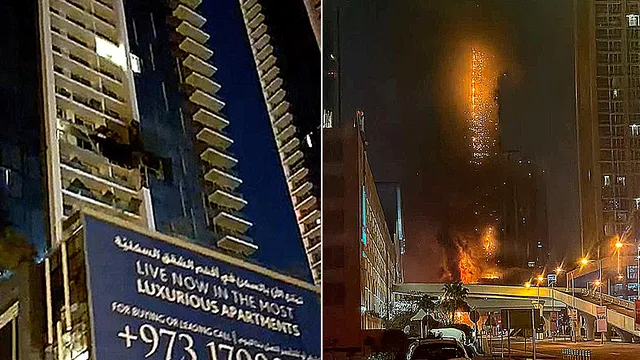
In Bahrain, as the conflict with Iran escalated, several American citizens, including Yahir from Los Angeles, found themselves stranded. Over the weekend, Yahir experienced a harrowing moment when an alleged Iranian drone struck the lower floors of the high-rise building where he was staying. The attack caused significant tremors, leaving residents in shock and fear as they witnessed horrifying scenes of destruction both near military and civilian areas. Daily life was deeply affected, with alerts about incoming missile strikes constantly disrupting the peace and turning bustling neighborhoods into desolate spaces. The environment became so volatile that many businesses closed early, and residents ceased regular activities. Yahir expressed his frustrations about the local U.S. Embassy's response, describing the assistance as inadequate and mired in bureaucratic complexities. He recounted how the embassy's lack of clear communication and actionable support has contributed to his feeling of being stranded in a perilous environment, highlighting how the conflict not only impacts physical safety but also stirs up emotional and psychological distress among those trapped in such situations. With missile strikes becoming a daily occurrence, the normalcy of life shattered, leaving many Americans seeking refuge amidst uncertainty and chaos. Since the escalation began, over 40,000 American citizens have safely returned to the United States, according to the State Department. However, Yahir's plight showcases the lingering challenges faced by those who remain behind, thrust into a precarious state of vulnerability amidst an unpredictable conflict. The terrifying experience of witnessing missile strikes and drone attacks firsthand has left enduring emotional scars, highlighting the urgent need for effective governmental processes to assist stranded citizens during crises. The chaotic situation sheds light on the broader implications of governmental preparedness in times of international conflict and the duty to protect citizens abroad. As public concern grows regarding the safety of American citizens overseas, Yahir’s story serves as a chilling reminder of the disarray and anxiety individuals may face when trapped in conflict zones. The challenges encountered in seeking assistance only exacerbate an already difficult situation. Yahir's continued plea for help underlines the complexities of humanitarian efforts amidst international strife, emphasizing the importance of accessible and efficient support for all citizens abroad in times of crisis.
Context
The current situation of Americans in Bahrain has become increasingly complex amid ongoing regional conflicts, shaping their experiences and interactions within the country. As of March 10, 2026, Americans residing in or visiting Bahrain are confronted with heightened tensions linked to broader geopolitical rivalries in the Middle East. The presence of military bases and various diplomatic missions has led to a unique status for American citizens which simultaneously offers protection but also places them in a precarious position given the volatile security environment. The U.S. government's role continues to be pivotal, with active efforts to monitor the safety of its citizens abroad and provide necessary resources for those in Bahrain. Reports indicate that the Bahraini government has maintained a stable environment for foreign nationals, including Americans. However, there are growing concerns about civil unrest and the impact of protests demanding political reform and social justice. These local movements can sometimes escalate unexpectedly, resulting in clashes with security forces. Americans are advised to remain vigilant and stay informed about local developments, as the potential for sudden disruptions is a reality that can affect their daily lives and overall safety. In light of the recent escalations in the region, the U.S. State Department emphasizes proactive engagement and communication with American citizens in Bahrain. Information resources, including travel advisories and safety protocols, are regularly updated to reflect the current climate. Americans are encouraged to sign up for Smart Traveler Enrollment Program (STEP) for real-time updates and to establish communication channels with the U.S. embassy. The embassy itself remains a crucial lifeline, providing assistance ranging from securing medical needs to offering refuge in emergencies. Despite these challenges, many Americans have formed deep connections within the local community, benefiting from Bahrain's rich culture and relatively diverse expatriate population. Businesses established by Americans continue to thrive, contributing to the local economy while also creating a sense of normalcy amidst regional uncertainties. While the risks cannot be understated, the resilience of the American community in Bahrain showcases their adaptability, fostering both personal and professional relationships, even as they navigate the complexities of living in a region marked by conflict.
