

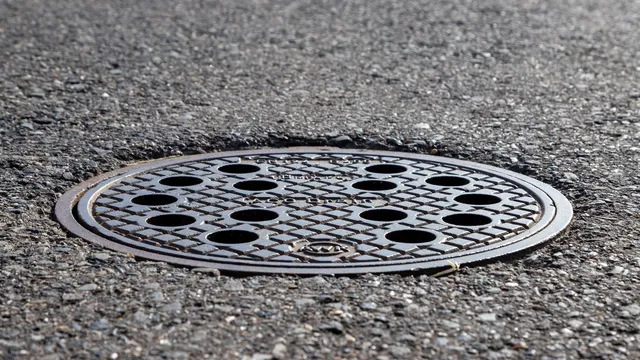
Carefully engineered manholes balance functionality and security for urban life
Carefully engineered manholes balance functionality and security for urban life
- Cities in America depend on complex underground systems crucial for daily life.
- Carefully engineered access points to these systems are designed with multiple safety and security considerations.
- The selection of these access systems influences municipal budgets and long-term infrastructure sustainability.
Story
In urban areas across America, cities rely on a complex network of underground systems such as water mains, sewer lines, electrical conduits, and telecommunications cables that form the backbone of modern urban infrastructure. These systems remain largely invisible to residents but are crucial for the functioning of daily life. To provide access to these underground services, municipal planners and utility operators must create entry points, known as manholes, designed to optimize functionality, security, and public safety. The design process involves multiple factors, including operational efficiency and environmental protection, which can vary widely based on location and usage. When designing access points, municipalities must consider numerous specifications, including various configurations like lay-in versus bolt-down access methods. Each configuration influences maintenance protocols and long-term costs associated with the infrastructure. Additional concerns arise in distinct areas such as high-security zones, where access methods need to ensure maximum safety, and regions vulnerable to flooding, necessitating special sealing capabilities to prevent water intrusion. The decisions made regarding these access systems reflect broader municipal governance issues, such as budget allocation, emergency response, and long-term sustainability. Political leaders face pressures to balance immediate costs with the need for resilient infrastructure that can withstand future challenges. With urban infrastructure requiring substantial financial investment to maintain, the choice of access system features can significantly impact thousands of residents. Infrastructure failures in these systems can disrupt essential services, leading to considerable public discontent. Ultimately, effective urban planning cannot ignore the critical role these underground access systems play in supporting broader city development goals. The success of municipal budgets, safety protocols, and emergency preparedness strategies hinges on the engineer's decisions around manholes and similar infrastructure. With future generations in mind, cities will continue to confront the need for efficient underground access systems that also prioritize community values like environmental responsibility and public safety.


