

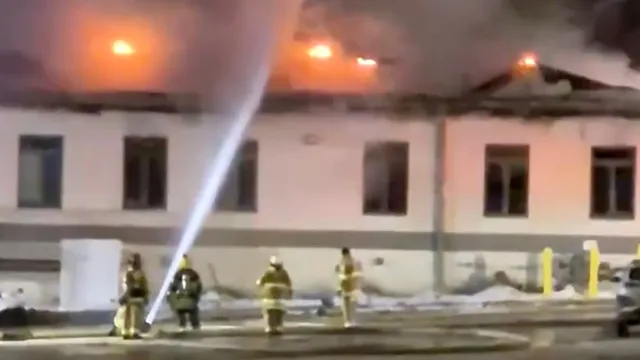
Patients evacuated as fire engulfs part of Pennsylvania hospital
Patients evacuated as fire engulfs part of Pennsylvania hospital
- Emergency crews were dispatched to Lehigh Valley Hospital at approximately 9:40 p.m. on February 5, 2026, due to a significant fire incident.
- 77 patients were evacuated safely as flames engulfed the roof of the Scranton Orthopedic building; no major injuries were reported.
- The cause of the fire is under investigation, raising questions about hospital safety protocols.
Story
On February 5, 2026, a fire incident occurred at Lehigh Valley Hospital located in Dickson City, Pennsylvania, resulting in the emergency evacuation of 77 patients. The fire broke out in the evening around 9:40 p.m. as emergency crews responded to reports of flames. The blaze primarily engulfed the roof area of the older Scranton Orthopedic building attached to the hospital facility. Firefighters were quick to determine that there was no active fire inside the main hospital building, but smoke and water damage were reported in some areas. First responders included not only local fire departments but also state police and emergency management personnel. The Dickson City Fire Department upgraded the emergency response, indicating the urgency after observing the scale of the fire. By the time crews began to contain the blaze around 11:15 p.m., parts of the orthopedic unit had collapsed due to the severity of the flames. Fortunately, authorities reported that all patients, staff, and visitors were safely evacuated without major injuries. The incident prompted a thorough investigation into the cause and origin of the fire by the Pennsylvania State Police Fire Marshal Unit. Pennsylvania Governor Josh Shapiro expressed gratitude towards first responders for their rapid action and dedication during the emergency. He encouraged support for the staff and families affected by the incident via a social media post. In conjunction with the evacuation efforts, local hospitals were prepared to accept transferred patients. Community response was noted, highlighting the significance of immediate support in emergency situations. The investigation into the fire’s cause continues, with fire officials examining possible factors contributing to the blaze. This incident has raised concerns around safety measures in health facilities, prompting discussions around emergency preparedness in hospitals especially those that house vulnerable patients. Hospital administrators are likely to review their emergency protocols to enhance safety and preparedness against similar incidents in the future.
Context
The safety regulations governing hospitals in Pennsylvania are critical for ensuring the health and well-being of patients, staff, and visitors. These regulations are designed to establish consistent standards that promote safe practices within healthcare facilities. The Pennsylvania Department of Health plays a pivotal role in enforcing these regulations, which cover various aspects of hospital operations, including patient safety, infection control, emergency preparedness, and staff qualifications. By maintaining consistent oversight, these regulations aim to address potential hazards and mitigate risks associated with hospital care, ensuring that patients receive the highest quality of service in a safe environment. Infection control is a major focus of Pennsylvania's hospital safety regulations. Hospitals are required to implement rigorous protocols to prevent the spread of infections, especially in high-risk areas such as surgical units and intensive care units. This includes the use of sterile techniques, proper waste disposal, and adherence to hand hygiene practices among healthcare workers. Regular training sessions and audits are mandated to ensure that all staff members are aware of and comply with these infection control measures. Additionally, hospitals must establish a surveillance system for monitoring infection rates and promptly address any outbreaks to protect both patients and staff. Emergency preparedness is another critical component of the safety regulations. Hospitals must develop and maintain a comprehensive emergency plan that includes protocols for handling various scenarios such as natural disasters, mass casualty incidents, and pandemics. This plan should encompass clear communication strategies, supply chain management for essential resources, and coordination with local emergency services. Regular drills and simulations are mandated to assess the effectiveness of these plans and ensure that staff are well-prepared to respond in critical situations, thus safeguarding both patients and the wider community. Furthermore, hospital staff qualifications and training are emphasized in Pennsylvania's safety regulations. Hospitals are required to ensure that personnel meet specific educational and professional standards relevant to their roles. Continuous professional development is encouraged through ongoing training and certification programs, particularly in areas such as patient safety, risk management, and ethical care practices. These regulations are intended to promote a workforce that is not only qualified but also committed to upholding the highest standards of care and safety.


