

Trump initiates new tariff investigations against key trading partners
Trump initiates new tariff investigations against key trading partners
- The Trump administration aims to investigate over a dozen trade partners for unfair trade practices.
- Major economies targeted in the probe include the EU, China, Mexico, and Japan.
- The investigations are expected to result in new tariffs by summer to address unfair trade practices.
Story
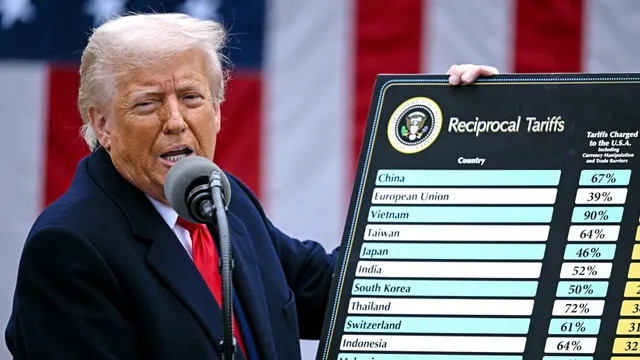
The United States has recently taken significant steps in its approach to international trade, aiming to initiate a series of tariff-related investigations against multiple trading partners, including major economies such as the European Union, China, Japan, and Mexico. This move follows a Supreme Court ruling that invalidated several tariffs previously imposed by the Trump administration due to presidential authority overreach. The investigations, led by the Office of U.S. Trade Representative Jamieson Greer, are expected to result in fresh tariffs targeting unfair trade practices. The urgency is heightened by the imminent expiration of a blanket 10% tariff, enacted earlier this year under Section 122 of the Trade Act of 1974, which initially permitted its presence for 150 days. The investigations aim to complete their findings before this deadline, thereby paving the way for potential new levies by summer. Other traders facing scrutiny include Vietnam, Thailand, and Singapore, among others. The context for these developments reveals ongoing tensions with trade partners and a broader strategy to combat unfair trade activities as defined by the U.S. government.
Context
The impact of tariffs on the US economy is a multifaceted issue that has elicited considerable debate among economists, policymakers, and the business community. Tariffs, which are taxes imposed on imported goods, aim to protect domestic industries by making foreign products more expensive. While the intention is to encourage consumers to buy American-made products, the broader implications of such measures often lead to both intended and unintended consequences. The effectiveness of tariffs in protecting domestic jobs and industries can be significant; however, they can also lead to increased prices for consumers and retaliatory measures from trade partners, which can exacerbate trade tensions. Increased tariffs can lead to higher consumer prices as businesses pass on the costs associated with the tariffs to consumers. For instance, industries relying on imported raw materials may face increased production costs, leading to higher prices for finished goods. This phenomenon can decrease consumer purchasing power, potentially slowing economic growth. Additionally, businesses that rely heavily on global supply chains may experience disruptions, resulting in inefficiencies and reduced competitiveness. The imposition of tariffs can also result in uncertainty within the market, which may lead to delayed investment decisions among businesses wary of future trade policies. On the other hand, proponents of tariffs argue that they can stimulate job growth in protected industries by reducing competition from foreign imports. For manufacturing sectors, particularly those in competition with cheaper foreign labor, tariffs can offer a lifeline by allowing them to compete on a more level playing field. Evidence suggests that some American manufacturers have benefited from the increased tariffs on specific imports, leading to job retention in those sectors. However, it is essential to examine the net effects on employment, as job gains in certain industries could be offset by job losses in others, particularly in sectors reliant on global trade. In summary, the impact of tariffs on the US economy is complex, reflecting a balance between protecting domestic industries and maintaining consumer purchasing power. While tariffs can offer a strategic tool for fostering domestic production, their implementation often comes with trade-offs that can hurt consumers and cause wider economic ramifications. Policymakers must weigh the immediate benefits against the potential risks of increased prices, trade retaliation, and economic inefficiencies, as they consider future tariff measures and their roles within the global trading system.


