
military conflicts
impactful
controversial

Australian police conduct dramatic operation amid fears of new plots

Dec 18, 2025, 6:46 AM10
(Update: Dec 18, 2025, 6:46 AM)
capital city of New South Wales, Australia
constituted body of persons empowered by the state to enforce the law

Australian police conduct dramatic operation amid fears of new plots

  • Police conducted a major operation in Liverpool, Sydney, based on intelligence of a potential violent act.
  • The operation involved intercepting two cars and detaining several men believed linked to a recent terror attack.
  • Authorities emphasized there was no immediate threat to the public and further investigations will continue.
Share your opinion
1

Story

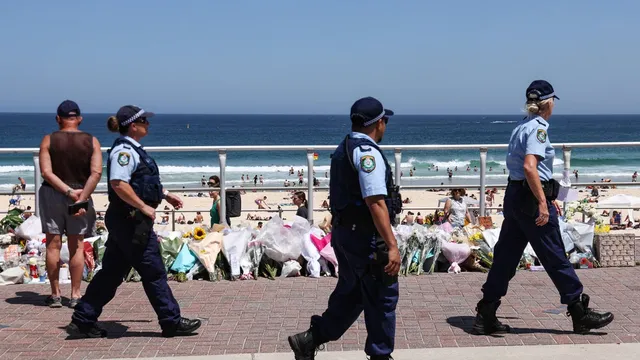
On December 14, 2025, Australian police executed a significant operation in Liverpool, a suburb of Sydney, responding to information suggesting that a violent act may be planned. This operation, which came just days after a terror attack on December 11 that claimed 15 lives during a Hanukkah celebration at Bondi Beach, involved heavily armed officers intercepting two vehicles and briefly detaining several individuals. Although no arrests were made, police confirmed that seven men were assisting with inquiries regarding the possible impending threat, indicating the ongoing concern surrounding the recent attack and its implications for public safety. Reports indicated that the group was believed to be traveling from Melbourne to Bondi, raising alarms about potential connections to the previous attack. Despite the dramatic nature of the operation and the evident distress of local witnesses, authorities stressed that there was no direct link between the current investigation and the Bondi terror attack. This approach has been part of a broader, heightened security measure by the New South Wales Joint Counter Terrorism Team, which has promised further search warrants and investigations to thoroughly understand and mitigate potential risks associated with the violent act that occurred earlier in December. Commissioner Barrett emphasized the importance of collaborating with both domestic and international partners in addressing the ongoing threat of terrorism, highlighting the complexity of the investigation as they sought to piece together the movements and connections of the alleged offenders.

Context

The report focuses on the Australian police counter-terrorism operations, highlighting their strategies, effectiveness, and the challenges they face. Australia has long recognized the threats posed by terrorism, especially following incidents both domestically and globally. The country's counter-terrorism framework involves a combination of intelligence gathering, community engagement, and collaboration with international law enforcement agencies. These operations are primarily overseen by the Australian Federal Police (AFP) and are guided by both state and national governments, ensuring a comprehensive approach to national security that spans various jurisdictions and agencies. One of the core components of Australian counter-terrorism operations is the use of intelligence-led policing. This involves the thorough analysis of information derived from multiple sources, including international intelligence networks and community tips. The AFP works closely with ASIO (Australian Security Intelligence Organisation) to assess threats and prioritize resources effectively. Following the 2014 increased threat level due to rising extremism, the police have adopted more proactive measures, which include pre-emptive arrests and surveillance of identified groups or individuals suspected of planning terrorist acts. This shift has contributed to thwarting several planned attacks, effectively making Australia one of the first countries to adapt rapidly to changing global terrorism dynamics. Community engagement plays a pivotal role in the success of counter-terrorism initiatives in Australia. Law enforcement agencies have sought to build trust and rapport with diverse communities, particularly those often targeted or misrepresented in media narratives surrounding terrorism. Initiatives like community policing and outreach programs are designed to empower citizens to report suspicious activities without fear of stigma. This approach not only strengthens community resilience but also enhances the flow of critical intelligence to authorities. Additionally, the use of educational campaigns to dismantle extremist ideologies has been a focal point of the Australian strategy. Despite these efforts, Australian police continue to face significant challenges in counter-terrorism operations. The evolving nature of terrorism, with groups adopting decentralized and adaptive tactics, requires constant vigilance and adaptability from law enforcement. Moreover, the balance between civil liberties and national security remains an ongoing concern, as regulations around surveillance and detention can provoke public debate. Furthermore, addressing the root causes of extremism and preventing radicalization are complex issues requiring long-term commitment and resources. In conclusion, while Australian police counter-terrorism operations have made considerable strides in safeguarding the nation, the fight against terrorism remains an ongoing challenge that requires a multifaceted and sustained response.

2026 All rights reserved
