

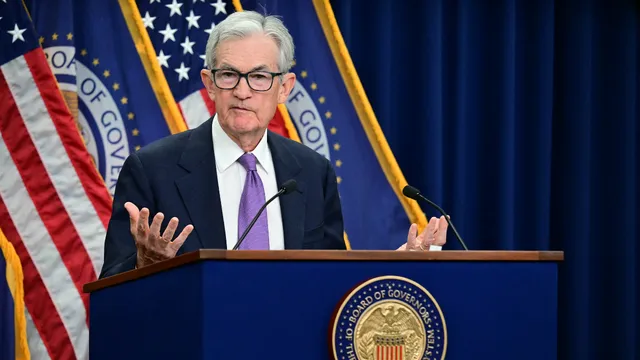
Federal Reserve hints at potential interest rate hikes due to inflation concerns
Federal Reserve hints at potential interest rate hikes due to inflation concerns
- The FOMC voted 10-2 to maintain current interest rates while two members called for cuts.
- Several policymakers indicated that future rate hikes may be necessary if inflation doesn't decrease.
- Increasing inflation remains a significant concern, prompting ongoing discussions about monetary policy adjustments.
Story
In the United States, the Federal Reserve's Federal Open Market Committee (FOMC) convened for its January meeting, during which it voted to maintain the benchmark federal funds rate in the range of 3.5% to 3.75%. Notably, two members within the committee dissented, advocating for rate cuts due to concerns regarding the labor market. However, several policymakers expressed the need to consider potential upward adjustments to interest rates in light of persisting inflation challenges. The minutes from the meeting reflect a growing concern within the Fed regarding inflation, which has consistently remained above the central bank's long-term target of 2%. The minutes conveyed that there was significant discussion among participants about fundamentally altering the language surrounding future interest rate changes. A subset of members suggested incorporating language that acknowledges the possibility of rate hikes should inflation not conform to expected reductions. This marks a notable shift in sentiment, given that a majority agreed to keep rates unchanged largely in anticipation of a more stable inflation outlook. At the end of 2025, the Fed's preferred measure of inflation, the personal consumption expenditures (PCE) index, was reported significantly above the target threshold, highlighting ongoing economic pressures. In recent months, PCE inflation readings peaked at 2.8%, indicative of the turmoil created by external factors, including tariff policies instigated by prior administrations. Fed Chair Jerome Powell delineated that, absent these external influences on goods pricing, core PCE would hover slightly above the 2% target, suggesting that externalities rather than internal market forces were driving inflationary pressures. The minutes indicated that while stability in the policy rates was viewed as necessary for now, some members underscored the imperative for vigilance as the committee navigates incoming economic data. Carefully monitoring the situation will play a vital role in determining if and when the Fed will adjust its policy stance as it grapples with the dual objectives of stimulating economic growth while curbing inflation within acceptable bounds.


