

NASA postpones Mars mission launch due to solar activity
NASA postpones Mars mission launch due to solar activity
- NASA postponed the launch of two Mars-bound spacecraft due to heightened solar activity.
- This decision was influenced by significant geomagnetic storms and their potential effects.
- Such delays due to space weather are rare, highlighting the unusual circumstances affecting the launch.
Story
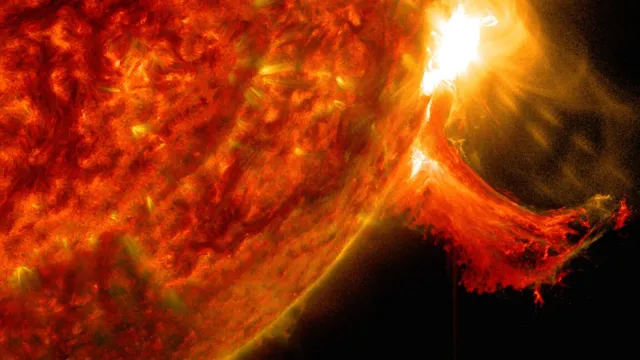
In the United States on November 12, 2025, a significant geomagnetic storm caused NASA to postpone the launch of two science probes, known as ESCAPADE, that were set to embark on a mission to Mars. This postponement occurred at Cape Canaveral Space Force Station in Florida and is attributed to an intense wave of solar activity, which resulted in heightened concerns regarding the potential impacts on communications, navigation, and electrical power grids. Blue Origin, the company responsible for launching the probes aboard its New Glenn rocket, confirmed readiness for the mission but acknowledged that NASA made the decision to delay the launch due to space weather conditions. The geomagnetic storm, classified as a G4 event, was triggered by multiple coronal mass ejections (CMEs) from the sun. These CMEs unleashed powerful bursts of energy and magnetized plasma towards Earth at speeds exceeding 1 million miles per hour. The storm not only postponed NASA's mission but also caused stunning auroras to appear across large parts of New Zealand and Australia. Skywatchers in both countries, as well as those in the UK, experienced dazzling displays of the aurora australis and aurora borealis, a result of interactions between charged particles released during the solar events and Earth's magnetic field. NASA’s decision to delay the ESCAPADE mission highlights the rare circumstance where a rocket launch is postponed due to space weather. Historically, these types of delays have occurred, such as in 2014 when a cargo rocket launch was rescheduled due to similar solar activity. The current solar activity level, deemed unusually elevated, raised red flags related to the possible effects on the ESCAPADE spacecraft, specifically concerning surface charging and voltage control in electrical networks. Blue Origin, while expressing readiness for launch, did not provide a new target date for the ESCAPADE mission following the postponement, leaving the timeline uncertain. The ramifications of such solar storms go beyond mere launches; they can pose widespread threats to modern technology, including risks for satellites operating in higher altitudes and potential electrical disruptions in power grids. With solar storms capable of affecting such critical infrastructure, the decisions made by space agencies and launch providers are crucial in safeguarding missions and technology dependent on stable space weather. The likelihood of further delays depends on ongoing observations of solar activity and improved weather conditions before the next attempted launch.


