

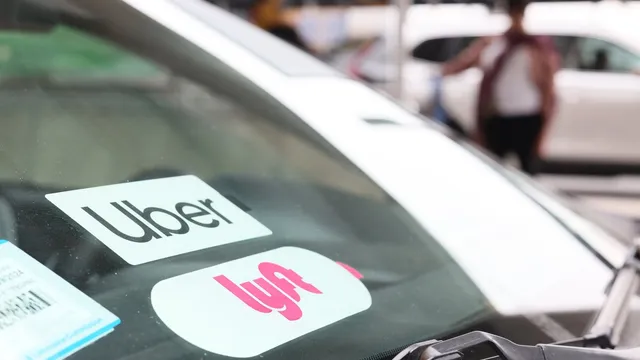
Lyft ensures rights for blind and disabled riders to travel with service animals
Lyft ensures rights for blind and disabled riders to travel with service animals
- Lyft has agreed to a settlement based on the violation of the Human Rights Act regarding service animals.
- The settlement includes enhanced driver training and updates to the Lyft app for better communication.
- This case is expected to benefit all riders across the United States, promoting equal access for disabled passengers.
Story
In Minnesota, the ride-sharing company Lyft has made a significant commitment to safeguarding the rights of blind and disabled passengers as part of a settlement announced recently. This decision came after college student Tori Andres reported multiple incidents where drivers refused to allow her service dog, Alfred, to accompany her during rides. After an investigation by the Minnesota Department of Human Rights, it was concluded that Lyft had violated the state's Human Rights Act. This led to negotiations resulting in a settlement that will implement nationwide policy changes rather than being confined to Minnesota. As per the settlement terms, Lyft is required to enhance driver training, informing them of the legal rights of passengers with disabilities. Drivers will now face potential deactivation if they cancel or refuse rides based on a passenger's service animal or disabilities. The enforcement of this regulation aligns with a broader goal of promoting inclusivity and ensuring that all riders can travel without discrimination. The state authorities will closely monitor Lyft's adherence to these guidelines for the next three years. Moreover, Lyft plans to update its application to include features that better inform drivers about service animals. New options will allow riders to indicate in their profiles that they are traveling with a service animal, enhancing communication and minimizing misunderstandings. Drivers who attempt to cancel rides after a passenger has disclosed their service animal will receive immediate warnings through the app, highlighting that refusal is against the law and that they risk termination of their ability to drive for Lyft. This case was not only pivotal for Tori Andres, who described her service dog as essential for her independence, but it also sets a precedent for other ride-sharing companies like Uber, which, although not a part of this case, could now face tighter scrutiny under similar laws. Rebecca Lucero, the Human Rights Commissioner, has emphasized that all ride-share companies must comply with the Minnesota Human Rights Act regarding services for passengers with disabilities. As part of ongoing efforts, Lucero encouraged all businesses to assess their policies and ensure proper enforcement of laws protecting individuals with disabilities.
Context
The impact of Lyft's service animal policy is a significant aspect of its overall customer service strategy, particularly in relation to riders with disabilities. Lyft, as a ride-sharing platform, has adopted policies that align with legal requirements under the Americans with Disabilities Act (ADA), which mandates that service animals be permitted to accompany individuals with disabilities in all public spaces, including transportation services. This policy is critical for ensuring accessibility for those who rely on service animals for physical or emotional support, thus fostering an inclusive environment that allows users to travel with ease and dignity. The implementation of such a policy not only complies with legal standards but also enhances Lyft's brand reputation as a socially responsible company that prioritizes the needs of all its customers, including those with disabilities. Moreover, the application of Lyft's service animal policy can significantly influence customer satisfaction and loyalty. By allowing service animals, Lyft ensures that riders with disabilities feel welcome and understood. This policy can lead to positive word-of-mouth referrals and repeat business from customers who appreciate Lyft's commitment to accessibility. On the flip side, Lyft must also train its drivers adequately to handle interactions involving service animals appropriately, which can help reduce potential conflicts or misunderstandings during rides. Training programs should emphasize sensitivity and educate drivers about the roles of service animals, ensuring that they do not refuse service or create uncomfortable situations for both the riders and the animals. The impact of Lyft's service animal policy extends beyond immediate customer interactions; it plays a critical role in the broader societal conversation about mobility and disability rights. By actively promoting a culture that embraces service animals, Lyft contributes to reducing stigma and fostering greater acceptance of individuals with disabilities in public spaces. This alignment with inclusivity is essential for companies in the shared economy, as it sends a clear message about the importance of accommodating diverse needs. Lyft's approach can serve as a model for other ride-sharing companies and industries, demonstrating that inclusive policies are not only beneficial from a legal perspective but also advantageous from a business viewpoint. In conclusion, Lyft's service animal policy significantly impacts its users, business operation, and societal perception of disability. The policy aligns with federal regulations, enhances customer satisfaction, promotes inclusivity, and positions Lyft as a leader in the ride-sharing industry regarding accessibility practices. For Lyft to maintain and improve its standing in this competitive market, ongoing evaluation and updates to the service animal policy are necessary, ensuring it remains relevant and effective in serving the needs of all riders.


