

Developers seek consent for solar farm project in Romney Marsh
Developers seek consent for solar farm project in Romney Marsh
- Developers EDF and PS Renewables announced plans for the South Brooks Solar Farm project in Romney Marsh.
- A formal application for development consent is expected to be submitted in early 2027.
- The project faces local opposition, sparking discussions about the appropriateness of solar infrastructure in the area.
Story
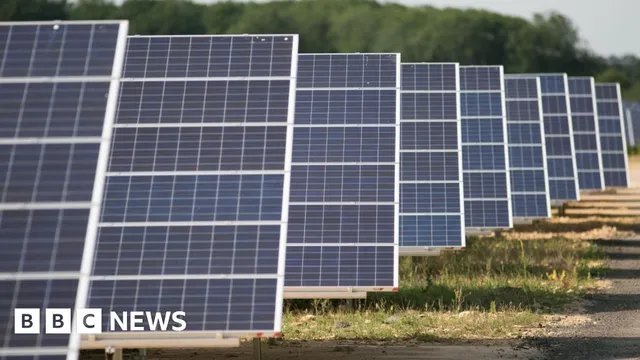
In Kent, England, developers EDF and PS Renewables have initiated a public engagement process concerning the South Brooks Solar Farm, which will be constructed across five sites in Romney Marsh. On May 28, 2026, they formally notified the Planning Inspectorate of their intention to apply for development consent in early 2027. This project is part of a larger initiative aiming to harness solar energy to power more than 140,000 homes annually and is proposed to be operational for a duration of 60 years. The initiative comes amidst local opposition, particularly from a community group named Hands Off Our Marsh. Residents express concerns that they are being asked merely to mitigate the environmental impacts rather than whether such a large-scale solar project should even take place in the marshland. This conflict reveals a broader discourse on renewable energy development and its implications for local ecosystems and communities. In response to community feedback, the developers have adjusted their plans by reducing the developed area by 20%, while increasing the space allocated for ecological preservation and landscaping. EDF UK's director Matthew Boulton emphasized the importance of community input in refining their designs, aiming to reach a balance between sustainability and local concerns. Public engagement events are scheduled to take place in June and July, where community members can offer their views on the project. This engagement is crucial as it reflects a growing trend in renewable energy projects, where companies seek to incorporate public opinions in the planning process and potentially mitigate social resistance. However, many local voices remain skeptical about the project’s rightful place on the marshland, echoing a common tension between advancing renewable energy and preserving local environments.


