

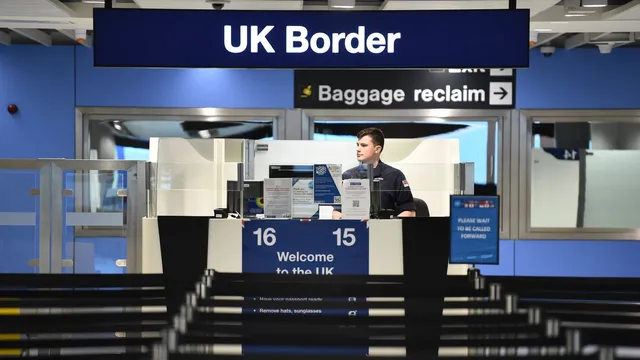
Shabana Mahmood announces stricter legal migration rules in the UK
Shabana Mahmood announces stricter legal migration rules in the UK
- Shabana Mahmood has proposed increasing the wait for Indefinite Leave to Remain to ten years for new legal migrants.
- The new rules require strict criteria, including language proficiency and financial contributions.
- The reforms aim to strike a balance between managing migration and ensuring national interests.
Story
In recent proposals announced by Shabana Mahmood, the UK Home Secretary, significant changes to the rules governing legal migration have been introduced. This new policy comes as part of Mahmood's broader strategy to reform the immigration system, emphasizing that settling in Britain is a privilege that needs to be earned rather than a mere right. Under the new proposals, the qualifying period for Indefinite Leave to Remain (ILR) is set to increase from five years to ten years for those who migrated legally to the UK from 2021 onwards. Mahmood highlighted a need for a more discerning system that rewards contributions and integration while imposing penalties for individuals who do not meet certain criteria, including criminal background checks and English language proficiency. The announcement is a response to the growing concerns about the number of migrants settling in the UK and the perceived strain on public services. Mahmood's regulations will particularly affect the two million legal migrants who have arrived since 2021, subjecting them to a longer wait for permanent settlement. Furthermore, these changes mean that migrants may now only be eligible for benefits if they attain British citizenship instead of simply settled status, and specific criteria regarding their financial contributions to society will be strictly enforced. This has triggered a debate on the implications for both migrants and the nation's cultural diversity, with Mahmood asserting that the current immigration system is 'broken' and needs urgent reform. She asserts that immigration has always played a crucial role in Britain’s identity and must continue to do so, but under a system that promotes fairness and respect for established norms. The proposed legal migration rules mark a shift in policy direction, aiming to balance the need for migrants in the labor market with national security and resource management concerns.


