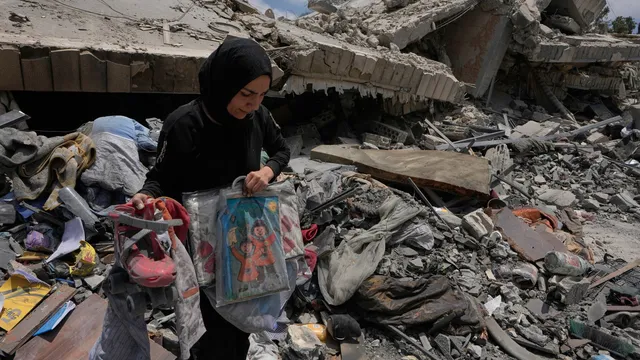
Lebanon has been embroiled in conflict since March 2026, when Hezbollah retaliated against an Israeli strike that killed Iran's supreme leader by launching rockets into Israel. This escalation led to a series of Israeli airstrikes across southern Lebanon, resulting in significant casualties, including at least 3,912 deaths and 11,699 injuries, according to Lebanon's health ministry. The situation has displaced approximately one million people and devastated numerous communities. Amid these tensions, a ceasefire agreement was reportedly reached between Israel and Hezbollah, facilitated by the United States and Qatar, following concerns that continued clashes could jeopardize a broader peace deal between the US and Iran. However, skepticism remains regarding the commitment of both parties to uphold the ceasefire, especially after reports of ongoing Israeli strikes targeting Hezbollah positions even after the announcement. The Israeli military has stated it will continue operations to eliminate immediate threats, while Hezbollah has vowed to respond to any attacks. The ceasefire is seen as a critical step towards stabilizing the region, but the reality on the ground suggests that achieving lasting peace will require significant restraint from both sides and adherence to the terms of the US-Iran memorandum of understanding, which calls for an end to hostilities on all fronts, including Lebanon.