

Russia conducts largest child abduction operation since WWII
Russia conducts largest child abduction operation since WWII
- An estimated 20,000 children have been abducted from Ukraine since Russia's invasion began, according to EU Ambassador Jovita Neliupšiene.
- The abductions represent a systematic operation aiming to erase Ukrainian culture and heritage.
- This situation raises urgent humanitarian and ethical concerns regarding the treatment of children in conflict zones.
Story
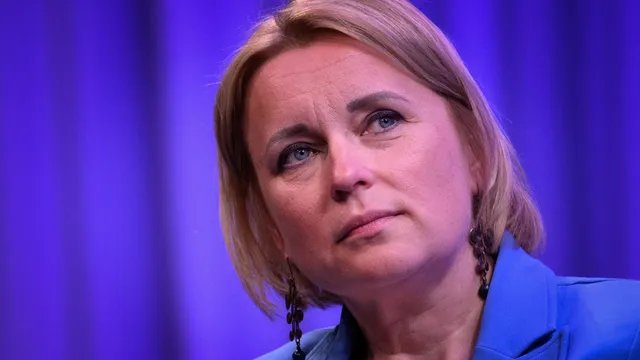
Since the onset of Russia's full-scale invasion of Ukraine four years ago, an alarming number of Ukrainian children have been reported abducted, with estimates indicating that over 20,000 minors have been taken. Jovita Neliupšiene, the European Union Ambassador to the United States, emphasizes that this represents the largest systematic child abduction operation since World War II. This operation is characterized not only by the sheer number of abductions but also by the efforts made to erase the cultural identity of Ukrainians. It has been stated that some of the abducted older children are now being trained to become soldiers for the Russian army, highlighting the grim reality facing these youths. Neliupšiene referred to these actions as a form of civilization erasure, which aims to undermine the future generation of Ukraine. The abduction of children significantly affects families, communities, and the nation as a whole, leading to long-term consequences that could alter the fabric of Ukrainian society. In addition, Melania Trump, the former First Lady of the United States, has expressed her concerns publicly about the abducted children and has called upon Russian President Vladimir Putin to return these minors. The ambassador shared heartbreaking stories of children who have been taken and those who have been fortunate enough to return. The intent behind these abductions seems strategic, aiming to instill loyalty to Russia in a generation that is currently living through war and conflict. As children are subjected to military training, the psychological effects could lead to profound changes in their personalities and allegiances, potentially altering the landscape of future conflicts. In her recent appearances, Neliupšiene has not only brought attention to the plight of Ukrainian children but also to a broader issue of cultural integrity within Europe as a growing migrant population changes the demographic landscape. The parallels are drawn between the urgency of addressing the immediate humanitarian crisis and the long-term implications of an evolving European identity. The need for advocacy in favor of these abducted children remains urgent, as the international community witnesses a dire situation that raises moral and ethical questions as to the treatment of children in conflict and post-conflict settings.
Context
Child abduction during war is a grievous and disturbing phenomenon that has profound impacts on individuals, families, and entire communities. Wars create environments of chaos and vulnerability, where children are disproportionately affected. They are often targeted by armed groups for various purposes, including recruitment as soldiers, sexual exploitation, and as leverage in negotiations. The psychological and emotional ramifications for abducted children are immense; they often suffer from trauma, loss of familial connections, and a deep sense of insecurity. The long-term consequences can extend into adulthood, affecting mental health, social integration, and the ability to form stable relationships. The societal impact of child abduction during conflict is equally alarming. Communities face disruption as children go missing, creating an atmosphere of fear and distrust. Families are shattered by the loss of their children, and the cultural fabric can be damaged, especially when children are taken from marginalized groups. Moreover, the absence of children undermines future generations, as the loss of young lives equates to a loss of potential leaders, caregivers, and contributors to societal rebuilding efforts post-conflict. Addressing these issues necessitates a multi-faceted approach involving prevention, protection, and support for affected populations. International legal frameworks, such as the Convention on the Rights of the Child and various humanitarian laws, highlight the obligation of states and non-state actors to protect children during times of war. However, enforcement remains a critical challenge. Advocacy for better implementation of these laws is essential, and the global community must hold perpetrators accountable. Concerted efforts from governments, NGOs, and civil society can help create a safe environment for children, reducing the risk of abductions and providing support for recovery when abductions occur. Finally, awareness-raising campaigns play a crucial role in addressing the issue of child abduction in war. Educational programs can empower communities to recognize the signs of abduction and the tactics used by armed groups. By equipping individuals with knowledge and resources, communities can build resilience against such atrocities. Protecting children from abduction during war is not just a humanitarian obligation but also a necessary condition for peace and stability in post-conflict societies.


