The historical relationship between the United States and Greenland has been shaped by geopolitical interests, strategic military considerations, and economic factors. Starting in the early 20th century, the U.S. recognized Greenland's strategic importance as a territory located between North America and Europe. In 1917, during World War I, the U.S. purchased the Danish West Indies, partly motivated by a desire to gain influence in the Caribbean and safeguard the approaches to the Panama Canal. This interest led to greater attention on Greenland, which was then a Danish colony. The U.S. established a presence in Greenland during World War II, leading to the construction of air bases that would enhance its operational capabilities in the North Atlantic. The establishment of the Thule Air Base in 1951 further solidified Greenland's role in American military strategy during the Cold War, allowing the U.S. to monitor Soviet activities in the Arctic and strengthen its northern defense posture.
In recent years, the importance of Greenland has been reevaluated amidst changing global dynamics, particularly with the increasing effects of climate change and the melting Arctic ice. The U.S. has expressed renewed interest in Greenland due to its potential for natural resources, including rare earth minerals and fossil fuels. While the U.S. has a longstanding trade relationship with Greenland, it has also focused on strengthening bilateral ties politically and economically. Greenlandic leaders, in turn, have been keen to balance their relationship with the U.S. while asserting their autonomy as they work toward self-governance. This has created a dynamic where the strategic interests of the U.S. intersect with Greenland's aspirations for economic development and self-determination.
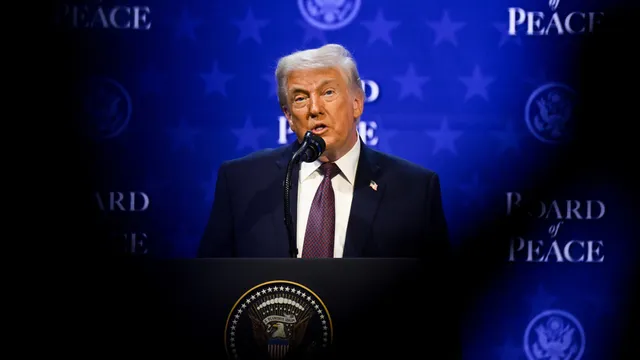
In August 2019, President Donald Trump’s proposal to purchase Greenland from Denmark sparked international debate and highlighted the heightened interest in the territory. Although the Danish government rejected the proposal outright, it signified the U.S. administration's keen interest in expanding its influence in the Arctic region. The subsequent U.S. investments in Greenland's infrastructure, including an agreement to finance a new airport, illustrate continual engagement. The U.S. has been working closely with the Kingdom of Denmark and Greenland’s government to address mutual concerns over security, climate change, and economic collaboration. As global tensions rise in the Arctic, particularly with Russia's military activities and China’s ambitions, Greenland's strategic importance to U.S. interests has only intensified.
Looking forward, the future of U.S.-Greenland relations will likely involve multifaceted cooperation across military, economic, and environmental fronts. The Arctic Council, consisting of Arctic nations including the U.S. and Denmark, will play a crucial role in addressing regional concerns and facilitating dialogue. The U.S. aims to strengthen alliances while respecting Greenland's wishes for autonomy in decision-making about its future. Ensuring effective collaboration on issues like climate change and resource management will be essential as both parties navigate their aspirations amid a rapidly changing geopolitical landscape. The complex interdependencies forged through history maintain relevance and continue to underpin the U.S.'s approach to Greenland, indicating that the two entities will remain linked for years to come.