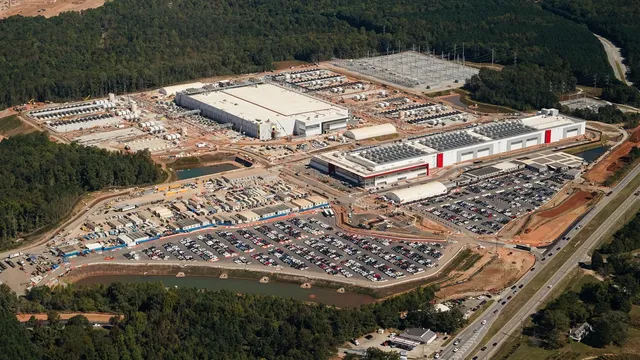
The impact of data centers on local resources is a multifaceted issue that has garnered increasing attention in recent years. As the demand for digital services continues to rise, data centers have become essential components of the global economy, providing the infrastructure necessary for cloud computing, data storage, and online services. However, the operation of these facilities requires significant amounts of energy, water, and land, which can strain local resources and ecosystems. Understanding the implications of data center operations is crucial for policymakers, businesses, and communities as they navigate the balance between technological advancement and environmental sustainability.
Energy consumption is one of the most pressing concerns associated with data centers. These facilities are known for their high energy demands, primarily due to the need for cooling systems to maintain optimal operating temperatures for servers. In many regions, data centers account for a substantial percentage of total electricity consumption, leading to increased greenhouse gas emissions and contributing to climate change. As a result, there is a growing push for data centers to adopt renewable energy sources, such as solar and wind power, to mitigate their environmental impact. Additionally, energy efficiency measures, such as advanced cooling technologies and server virtualization, can help reduce overall energy consumption and lessen the burden on local power grids.
Water usage is another critical aspect of data center operations that can affect local resources. Many data centers rely on water for cooling purposes, which can lead to significant withdrawals from local water sources, particularly in arid regions. This can create competition for water resources among various sectors, including agriculture and residential use. Furthermore, the discharge of heated water back into local water bodies can disrupt aquatic ecosystems. To address these challenges, some data centers are exploring alternative cooling methods, such as air cooling or using recycled water, to minimize their impact on local water supplies.
Lastly, the land use associated with data centers can have profound effects on local communities and ecosystems. The construction of large data center facilities often requires substantial land areas, which can lead to habitat destruction and changes in land use patterns. This can impact local wildlife and biodiversity, as well as alter the landscape for nearby communities. As the demand for data centers continues to grow, it is essential for developers to consider the environmental and social implications of their projects. Engaging with local stakeholders and conducting thorough environmental impact assessments can help ensure that data center development is conducted responsibly and sustainably, ultimately benefiting both the economy and the environment.