

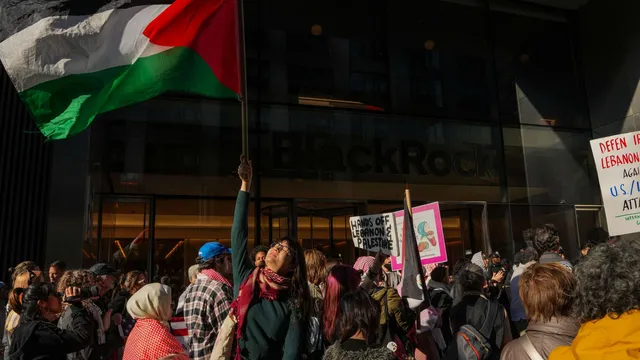
Sami Hamdi detained over pro-Palestine advocacy during US speaking tour
Sami Hamdi detained over pro-Palestine advocacy during US speaking tour
- Sami Hamdi was detained by ICE for over two weeks after traveling to the US for a speaking tour.
- His detention is viewed by many as a broader attack on freedom of speech related to pro-Palestine advocacy.
- Hamdi's experience has raised awareness about the implications of immigration enforcement on dissenting voices.
Story
In the United States, British Muslim journalist Sami Hamdi was arrested by Immigration and Customs Enforcement on October 26, 2023, during a speaking tour focused on his views regarding the Israel-Palestine conflict. Hamdi was critical of Israel's actions in Gaza, which resulted in the US State Department revoking his visa suddenly. His detention lasted for over two weeks, during which he faced difficult conditions in a crowded immigration detention center. Many supporters and human rights advocates criticized the detention, deeming it a threat to free speech, particularly against those who express pro-Palestinian sentiments. Hamdi's ordeal highlighted the broader implications of immigration enforcement policies and their potential misuse against dissenting voices. Upon his release, he stated that the actions taken against him were not only a personal attack but a violation of freedoms for many individuals expressing similar views. He also expressed disappointment with the British government's response to his situation, indicating a need for more substantial support for UK citizens in America, especially with events like the upcoming World Cup in mind. Hamdi's case has sparked discussions on the delicate balance between national security measures and the rights of individuals to freely express their opinions without fear of retribution, particularly concerning international issues like Palestine.
Context
The impact of Donald Trump's policies on free speech has been a contentious topic since he took office in January 2017. His administration's approach to communication, particularly in relation to social media, has raised fundamental questions about the nature of free speech in the digital age. One notable aspect has been the president's use of Twitter and other platforms to disseminate information and engage with supporters, which directly influenced public discourse. However, this practice also led to significant debate over the boundaries of free expression, especially when it involved the criticism of various media outlets and individuals. Many critics argued that Trump's rhetoric often undermined the principles of a free press, characterizing dissenting voices as 'fake news' and casting doubts on journalistic integrity, which can have a chilling effect on media freedom and public discourse overall. Moreover, the Trump administration's stance on certain issues, such as immigration and protests, sparked intensified scrutiny regarding the rights of individuals to express their views freely. For instance, during protests against police brutality in 2020, the administration's response was perceived by some as an attempt to curtail the voices of activists advocating for social change. The labeling of protestors as 'thugs' and the use of federal forces to control demonstrations led to accusations of suppressing free speech under the guise of maintaining order. As a result, numerous legal challenges arose, pushing the boundaries of the First Amendment and testing the resilience of free speech protections in controversial contexts. In the realm of digital platforms, the issue of content moderation has come to the forefront. Trump's presidency saw an increasing emphasis on the balance between preventing harmful content online while protecting free speech. His administration's frequent criticisms of major social media companies for perceived bias against conservative viewpoints led to discussions about the responsibilities these platforms have in moderating user-generated content. This tension set the stage for regulatory proposals that sought to ensure that these corporations uphold free speech protections rather than act as gatekeepers of information. The dialogue surrounding Section 230 of the Communications Decency Act highlighted the complexities of fostering an open digital space while addressing misinformation and hate speech. Overall, Trump's policies shaped the discourse on free speech in ways that will resonate well beyond his presidency. Not only did his actions spark significant public debate about the contours of free expression in society, but they also prompted more intensive scrutiny regarding the interplay between government power, media influence, and individual rights. As the nation moves forward, the implications of these discussions will likely continue to evolve, reflecting an ongoing struggle to balance the ideals of free speech with the responsibilities that come with it.


