
politics
controversial
impactful

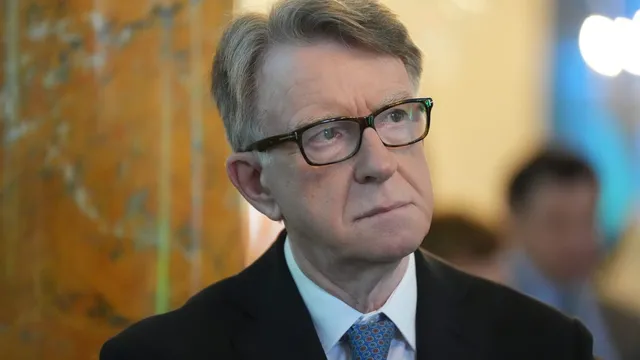
Peter Mandelson apologizes to Epstein victims but defends his own actions

Jan 11, 2026, 8:58 AM40
(Update: Jan 11, 2026, 3:08 PM)
British peer (born 1953)
American sex offender and financier (1953–2019)

Peter Mandelson apologizes to Epstein victims but defends his own actions

  • Peter Mandelson was dismissed from his role as U.K. ambassador to the U.S. after his ties to Jeffrey Epstein became public.
  • Mandelson expressed sorrow for Epstein's victims but insisted he was not aware of Epstein's predatory behavior.
  • The controversy has raised questions about accountability and relationships with high-profile individuals involved in criminal activities.
Share your opinion
4

Story

Peter Mandelson, the former U.K. ambassador to the U.S., faced significant controversy following his dismissal due to his association with Jeffrey Epstein, who was a convicted sex offender. In a recent interview, Mandelson expressed regret for the suffering of Epstein's victims, acknowledging that the system failed to protect them, but he refrained from apologizing for his personal connections to Epstein. He argued that he was unaware of Epstein's predatory behavior and claimed he had been misled by Epstein and his lawyer regarding the nature of his involvement with young women. Mandelson felt as a gay man he was kept separate from the sexual aspects of Epstein’s life. The controversy surrounding Mandelson intensified after emails surfaced that revealed a much closer relationship with Epstein than had been publicly acknowledged previously. These emails showed Mandelson providing Epstein with personal support and encouragement even after his first conviction for soliciting prostitution from a minor in 2008. This uncovering of their deeper ties resulted in serious scrutiny from the U.K. government, leading to Mandelson’s dismissal from his post in September. The government commented that the depth of his relationship with Epstein was significantly different from what had been communicated at the time of his appointment. In the interview, Mandelson emphasized his lack of culpability, stating repeatedly that he was not aware of what Epstein was doing and insisted that if he had been complicit, he would have offered an apology. He characterized Epstein as an 'evil monster' and expressed a desire to support the victims of Epstein’s actions by addressing the systemic failures that allowed their suffering to continue unaddressed for so long. Despite this, reactions to Mandelson’s comments have been mixed, with some commentators arguing that he should take more responsibility for his association with Epstein, particularly after the disturbing revelations about Epstein’s criminal activities. The fallout from Epstein's crimes and the subsequent exposure of several influential individuals who were associated with him created a significant ripple effect across various sectors. For many, Mandelson's situation highlights the importance of accountability, especially for those who hold positions of power. In light of the revelations, the U.K. government appointed Christian Turner as the new ambassador to the U.S., marking a pivotal moment for transatlantic relations in the aftermath of this scandal. The broader implications of this incident continue to raise questions about integrity, accountability, and the responsibilities of public figures regarding their associations and the impact those associations can have on vulnerable individuals.

Context

The Epstein scandal has sent shockwaves through various sectors, particularly affecting political figures in the United States and abroad. Jeffrey Epstein, a financier and convicted sex offender, maintained high-profile connections with influential individuals, including politicians, celebrities, and business moguls. Following his arrest in July 2019, and subsequent death in a Manhattan jail cell, the scandal unveiled a web of alleged sexual exploitation and trafficking that has raised serious questions about the moral and ethical conduct of those closely associated with him. Political figures have found themselves under intense scrutiny as new details emerge, leading to a reevaluation of their associations with Epstein and the implications these connections have for their public image and political careers. Many political leaders who were once considered untouchable have experienced significant backlash due to their associations with Epstein. For instance, figures associated with his social circle have faced calls for resignation and have lost political support. The public's reaction has been fueled by social media campaigns that highlight connections between Epstein and individuals who previously held or currently hold significant political power. These revelations not only challenge the integrity of the affected political figures but also bring into question the broader implications for governance, highlighting potential vulnerabilities in addressing corruption, accountability, and the influence of wealth in politics. Furthermore, the Epstein scandal has prompted critical interpersonal dialogues about consent, power dynamics, and the treatment of victims of abuse. Political figures who have been linked to Epstein are now faced with the challenge of addressing these sensitive issues, which has led to a reexamination of policies surrounding sexual misconduct and tighter regulations regarding political donations and affiliations. Policymakers are increasingly under pressure to create legal and institutional frameworks that prevent exploitation and increase transparency among political donations and associations, particularly from individuals with questionable backgrounds. As the repercussions of the Epstein scandal continue to unfold, it becomes clear that political figures will need to navigate a transformed political landscape defined by heightened accountability and public scrutiny. The long-term impacts on political careers remain to be seen; however, the event has undeniably sparked a larger conversation about the ethical responsibilities of public servants. This scandal has the potential to reshape political alliances and voter sentiments, and it will influence how future generations of leaders engage with issues of power, privilege, and personal conduct in the political arena.

2026 All rights reserved
