
entertainment
update
provocative

Louvre Museum announces drastic security measures after jewel heist

Nov 17, 2025, 6:30 PM40
(Update: Nov 19, 2025, 9:11 PM)
art and archeology museum in Paris, France

Louvre Museum announces drastic security measures after jewel heist

  • The Louvre Museum is closing parts of its premises due to structural fragility after a technical report was submitted.
  • In light of a recent crown jewels heist, the museum will enhance security with new surveillance systems and anti-intrusion measures.
  • These changes are part of a broader renovation project that aims to modernize the museum over the next decade.
Share your opinion
4

Story

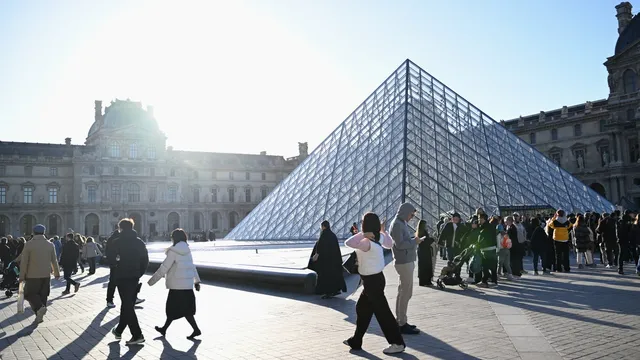
In France, the Louvre Museum, the most visited museum in the world, has been undergoing significant challenges following a crown jewels heist valued at over $100 million. The heist occurred last month and raised serious concerns about the museum's security measures, prompting management to evaluate and address vulnerabilities. After a technical report identified structural fragility in certain areas of the museum, part of the Sully wing has been closed off to the public and limits on employee access implemented as a precaution. This closure serves as part of a larger renovation effort announced earlier this year, which aims to modernize the museum's facilities and improve the visitor experience. The Louvre’s renovation efforts include not only structural updates but also enhanced security protocols. Laurence des Cars, the director of the Louvre, revealed that approximately 100 new surveillance cameras will be installed by the end of next year, and anti-intrusion systems are set to be put in place shortly. These changes respond to the recent robbery, where thieves managed to enter the museum and steal valuable artifacts within a mere eight minutes, utilizing power tools that had not been accounted for in previous security measures. In addition to the immediate responses, the museum has launched broader initiatives as part of the decade-long 'Louvre New Renaissance' plan, which aims to modernize the institution while addressing the pressing issue of increasing tourist footfall – this year alone has seen over eight million visitors. The management has capped daily visitors to 30,000 to better manage crowds and to alleviate pressure on the museum’s aging infrastructure. Critical to this plan is the dedication of a new gallery for the iconic 'Mona Lisa,' enhancing the experience for millions of visitors that flock to see the masterpiece. French President Emmanuel Macron has expressed confidence in the renovation project, drawing comparisons to the recent reopening of Notre Dame. He described the redesigned Louvre as set to become the epicenter of art history for France and beyond. However, the challenges remain: the technical obsolescence of security systems that have been in place since the extensive renovations of the 1980s is a significant concern, creating a pressing need for both immediate and long-term improvements.

Context

The Louvre Museum, one of the most renowned art institutions globally, has a rich history that reflects its evolving security measures over time. Established in 1793 during a turbulent era in France, the museum began with basic measures to protect its collection. As the number of visitors increased, so did the need for more sophisticated security strategies. Initially, the approach to security was largely reactive, relying on the vigilance of museum staff and local authorities to deter theft and vandalism. The risk was underscored by notable incidents, such as the theft of the Mona Lisa in 1911, which catalyzed a significant overhaul of security protocols at the museum and led to a more proactive stance towards art protection. In the following decades, the Louvre implemented numerous changes to enhance the safety of its pieces. The introduction of surveillance technology began in the late 20th century, with the installation of CCTV cameras being a pivotal step in monitoring visitor movements while protecting priceless artworks. Furthermore, the museum sought to control access points and manage crowds better, particularly during peak tourist seasons. This not only safeguarded the artworks but also improved the overall visitor experience. To complement these technical advances, the Louvre invested in training staff in emergency response, including procedures for handling theft, vandalism, and other potential threats to the museum's integrity. The tragic events of recent years, particularly the rise in targeted attacks on cultural institutions, have spurred an even greater focus on security at the Louvre. In response, the museum has adopted a multi-layered security strategy, integrating advanced technology with human oversight. Security personnel are now equipped with modern tools, and collaborations with local police and international security agencies have been strengthened to prevent potential risks. Furthermore, the museum has also embraced digital innovations, employing data analytics to better understand visitor patterns and optimize staffing levels in different areas of the museum. Today's security measures at the Louvre reflect a comprehensive approach designed to safeguard invaluable cultural artifacts while providing a secure yet welcoming environment for millions of visitors annually. This blend of technological innovation, rigorous training, and collaborative strategies exemplifies the Louvre's commitment to protecting its heritage. As the museum continues to adapt to new challenges in the security landscape, its history demonstrates a proactive evolution aimed at preserving art for future generations.

2026 All rights reserved
