

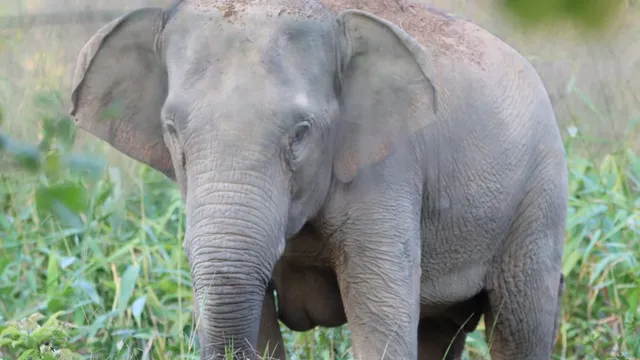
Thailand adopts birth control vaccine to manage wild elephant population
Thailand adopts birth control vaccine to manage wild elephant population
- Wild elephants have increasingly interacted with humans in Thailand, leading to conflicts resulting in deaths and property damage.
- Thailand has started using a U.S.-made birth control vaccine to control wild elephant population growth, with promising results from trials.
- The initiative aims to reduce confrontations and ensure both human and elephant populations can coexist more safely in shared environments.
Story
Thailand has begun implementing a birth control vaccine on elephants to address the escalating conflicts between humans and elephants in areas where human settlements expand into wildlife habitats. In 2025, statistics indicated that wild elephants had killed 30 individuals and injured 29 while causing damage to crops in over 2,000 incidents, highlighting the urgent need for intervention. The Wildlife Conservation Office, directed by Sukhee Boonsang, acquired a U.S.-made vaccine and completed a trial on domesticated elephants that showed promising outcomes, prompting officials to administer the vaccine to wild elephants in eastern Trat province. The use of this vaccine does not inhibit ovulation in female elephants but prevents fertilization, ideally helping to control the rapidly growing population of elephants in conflict-prone areas. With a notable annual birth rate of 8.2% among wild elephants juxtaposed to the national average of 3.5%, about 800 out of approximately 4,400 wild elephants live where human-elephant encounters are common. Authorities are utilizing 25 doses of the vaccine and plan to monitor the vaccinated elephants over a seven-year period to ensure the vaccine's effectiveness and manage future population growth. Additional measures to reduce human-elephant conflicts include creating food and water sources in the elephants' natural habitats, erecting protective fencing, and deploying rangers to safely guide elephants back into the wild. However, some stakeholders have raised concerns that this vaccination initiative could compromise traditional conservation efforts and the cultural significance of elephants in Thailand. A recent relocation operation aimed at removing elephants involved in human altercations also sparked controversy, especially after the death of an elephant during the relocation process due to complications from anesthesia. Despite following protocols, the director general of the Department of National Parks, Wildlife and Plant Conservation expressed regret and announced an investigation to improve future operations. As the elephant population continues to grow near human settlements, the strategies being deployed are crucial for the safety and coexistence of both species in Thailand.


