

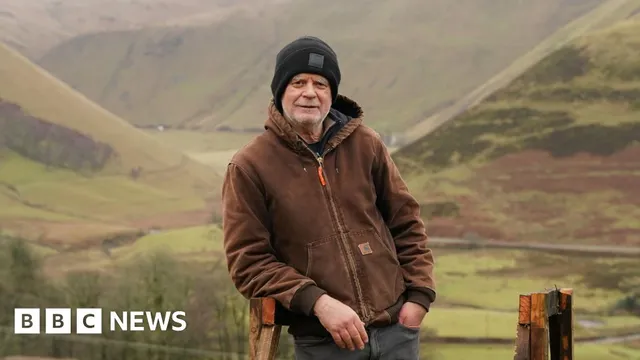
Andy Goldsworthy creates an emotional artwork with gravestones in Scotland
Andy Goldsworthy creates an emotional artwork with gravestones in Scotland
- Andy Goldsworthy is creating a new artwork in a graveyard in Dumfriesshire, Scotland that incorporates gravestones.
- His aim is to provide a sense of spiritual uplift and reflect on memory and loss.
- The art piece signifies the evolving appreciation for nature-themed works in the art community.
Story
In a graveyard in Kirkconnel, Dumfriesshire, the artist Andy Goldsworthy is working on a new art piece that incorporates displaced gravestones. Goldsworthy's installation aims to provide a contrast to the grief associated with burials by offering viewers a 'spiritual uplift' as they engage with the natural beauty surrounding the area. He plans to fill an enclosure with gravestones resting atop ordinary stones, creating a visually profound landscape that reflects on the act of burial. His background in nature-inspired art, which was initially overlooked by the urban-focused art community, has led him to embrace his passion for the outdoors fully. Goldsworthy’s artistic journey has been marked by a long period of neglect within the art world, where traditional forms and subjects often took precedence over nature as a medium for expression. Despite this, he maintains a positive outlook on his work and the opportunity to contribute meaningfully to public art. His commitment to embracing the narratives of displaced stones reflects a deeper understanding of loss and memory, which resonates with visitors who seek comfort in the natural world. The project is supported by the Hugo Burge Foundation and the Duke of Buccleugh, ensuring that Goldsworthy has access to the necessary resources for his ambitious vision. Simultaneously, another exhibition featuring the work of Beryl Cook is highlighting her unique portrayal of Plymouth life, marking a significant reassessment of her impact on British art 100 years after her birth. Cook's art, often classified as caricatures, has been recognized for its genuine affection for the communities she documented, including marginalized identities. Exhibition curators emphasize that Cook's work is not merely simplistic representation but a profound narrative of social transformation in 20th-century Britain. As a former top painter in the UK, Cook's legacy is gradually gaining the recognition it deserves, encouraging admiration for both historical and contemporary perspectives on everyday life. In both Goldsworthy’s and Cook’s cases, the evolution of their artistic journeys reflects a broader shifting landscape in the art world. Each artist presents their distinct vision that connects deeply with various audiences, marking a change in how society appreciates art and the narratives they convey. The landscapes of separations, be it through gravestones or community depictions, compel viewers to engage on multiple emotional levels, demonstrating art’s potential to heal, connect, and prompt reflection about life and loss.


