
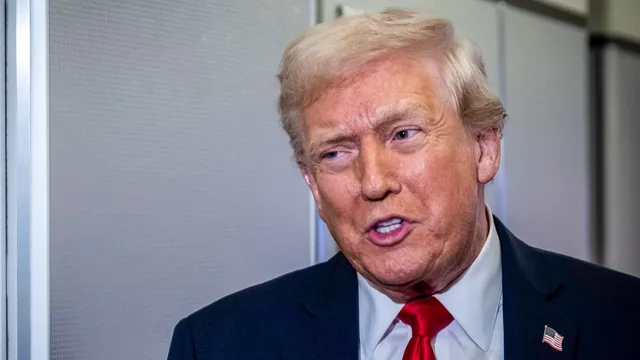
Trump refuses to extend Obamacare subsidies despite rising premiums
- Donald Trump has stated he does not want to extend the Affordable Care Act subsidies as they expire at the end of December.
- If the subsidies are not continued, millions are likely to face increased health insurance premiums starting next year.
- Trump's position has intensified the debate around healthcare reform within the Republican Party and prompted concerns about rising costs for individuals.
Story
In recent statements aboard Air Force One, President Donald Trump made it clear that he refuses to extend the expiring subsidies from the Affordable Care Act, commonly known as Obamacare. This position comes at a critical time, as millions of Americans are expected to face substantial increases in their health insurance premiums due to the impending lapse of these subsidies at the end of December 2025. Trump's decision is viewed as a setback for efforts to prevent these sharp increases in healthcare costs, particularly affecting low- and middle-income families who rely on these financial aids to afford coverage. While Trump indicated that bipartisan negotiations with Democrats could be essential to advance healthcare reform, he firmly insisted that he would rather let the funds expire than continue the current subsidy structure, which he deems a failure. The Republican Party remains divided on the issue, with some lawmakers pushing for a temporary extension to mitigate the challenges faced by constituents in competitive election districts, while more conservative members advocate for the cessation of such funding altogether. This situation highlights Trump's longstanding opposition to the Affordable Care Act, which he has labeled a disaster multiple times. Despite having control over both chambers of Congress, the administration's inability to present a clear alternative for healthcare reform has left many questioning the future of healthcare policy in the United States. It is likely that health insurance premiums will see a drastic rise next year without timely action from lawmakers, echoing warnings from public health organizations regarding the potential doubling of premiums if the ACA subsidies are not renewed. As December approaches, the urgency for a viable healthcare solution grows, putting pressure on the Trump administration to reconsider its approach and engage more effectively with opposition parties, as voters are increasingly apprehensive about the upcoming financial implications. The healthcare debate is expected to accelerate following the Thanksgiving holiday, with Senate Majority Leader John Thune indicating plans to introduce legislation aimed at extending the ACA subsidies. However, firm Republican opposition to such proposals poses a significant challenge. The ongoing standoff is emblematic of the broader political tensions surrounding healthcare reform, as Democrats leverage support for a federal funding bill to advocate for extended subsidies, resulting in the longest government shutdown in U.S. history. Moving forward, addressing the rising costs of health insurance and securing access to affordable care for millions will remain central to American political discourse, potentially shaping the landscape for upcoming elections as constituents demand answers and solutions from their leaders.
