

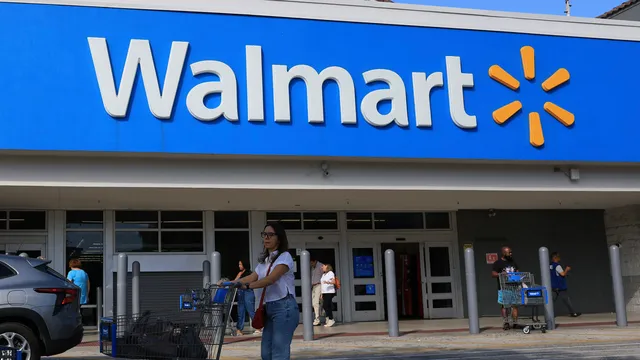
Walmart's revenue climbs as U.S. consumers face rising costs
Walmart's revenue climbs as U.S. consumers face rising costs
- Walmart reported a revenue increase of 7.3% to $177.8 billion in the first quarter of 2026.
- Consumers in the U.S. are feeling the strain of rising costs, including a 3.8% inflation rate and increased fuel prices.
- The combination of these factors suggests a growing economic challenge for many consumers, which Walmart is monitoring closely.
Story
In the first quarter of 2026, Walmart reported a revenue growth of 7.3%, totaling $177.8 billion. Despite this optimistic figure, the context reveals a challenging landscape for U.S. consumers who are grappling with rising costs attributed to inflation. This inflation, which surged to 3.8% in April, marks its highest level in nearly three years, largely driven by the ongoing war in Iran, impacting prices across various sectors, notably fuel. Regular gas prices had dramatically increased from an average of $2.98 to $4.56 nationwide just prior to the conflict. This surge in fuel costs has not only affected consumers but also placed a strain on companies, limiting their income gains. According to Walmart's chief financial officer John David Rainey, while tax returns provided temporary relief against rising fuel prices, the lack of these refunds going forward will likely intensify financial pressure on consumers. The retail giant’s sales growth reflects how higher-income households are fueling a significant portion of consumer spending, benefiting from wage growth and stock market gains, which is somewhat easing the financial load on them. Conversely, the lower-income households have been facing the brunt of economic hardships, as consumer prices have begun to exceed wage growth for the first time since 2003. This disparity suggests a growing divide in consumer resilience amid escalating inflation. As the effects of rising prices continue, especially regarding fuel, Walmart anticipates that consumers will become increasingly sensitive to these financial pressures. Walmart's earnings came on the heels of a report from Target, which indicated a 6% rise in their net sales as well, demonstrating the competitive dynamics in retail, though Target’s shares fell due to ongoing challenges related to store management and company policies regarding diversity and inclusion. Against this backdrop, Walmart is making significant strategic moves to compete with online retail giant Amazon, which has recently become the leading company by revenue. Investments in technology, including artificial intelligence, illustrate Walmart's efforts to modernize and innovate in response to changing customer needs and market conditions. Moreover, the broader economic implications of the situation are underscored by discussions about tariff refunds following a Supreme Court ruling against certain tariffs imposed during prior administrations. Walmart's financial guidance issued to investors notably did not factor in potential impacts from these tariff refunds, indicating the cautious approach the company is taking in its financial forecasting amidst an uncertain economic environment.


