The Ukraine conflict has its roots in a complex interplay of historical, political, and social factors that date back decades. The dissolution of the Soviet Union in 1991 marked the beginning of Ukraine's struggle for independence and identity, as the nation sought to assert itself amid lingering ties to Russia. Ukraine's geographic positioning, straddling Europe and Russia, has made it a focal point of competing influences. The 2014 Euromaidan protests, driven by a desire for closer ties with the European Union and frustration over governmental corruption, led to the ousting of President Viktor Yanukovych. This shift not only ignited a national identity crisis but also set the stage for Russia's annexation of Crimea in March 2014, where a controversial referendum declared the region's desire to join Russia, a move widely condemned by the international community as illegal and illegitimate. The annexation deepened divisions within Ukraine and exacerbated tensions between pro-European western Ukraine and pro-Russian eastern regions, leading to a violent conflict in the Donbas area, where separatists declared independence from Ukraine with alleged Russian support.
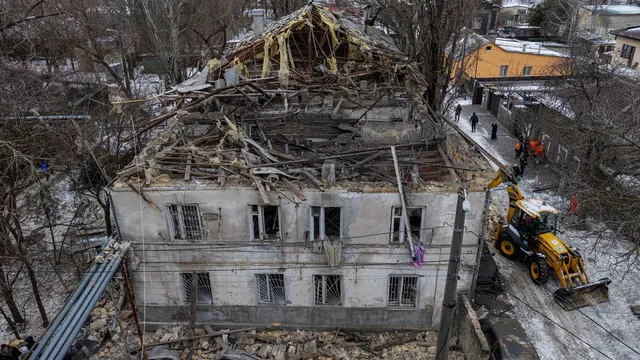
The conflict escalated into a full-scale war, with thousands of casualties and millions displaced. Various ceasefires, including the Minsk agreements in 2014 and 2015, aimed to halt hostilities but often faltered. The geopolitical implications of the conflict have been profound, as NATO and the European Union have supported Ukraine while attempting to deter Russian aggression. Economic sanctions against Russia were implemented by Western nations as retaliation for its actions in Crimea and the support of separatists. The situation has led to a re-evaluation of security policies in Europe, highlighting the importance of collective defense and regional stability. Additionally, the war has triggered a humanitarian crisis, with many Ukrainians facing dire conditions, loss of homes, and disruption of essential services.
As the years progressed, Russia's military presence in Ukraine remained pronounced, with periodic flare-ups in violence, and the strategic importance of Ukraine continued to attract global attention. The Ukrainian government has worked on reforms to strengthen its governance and military capabilities, while exploring options for closer integration with European structures. The ongoing conflict has also fostered a renewed sense of nationalism among Ukrainians, uniting various regions of the country against perceived external threats. Furthermore, the role of misinformation and cyber warfare has emerged as significant factors in shaping public perception and strategic narratives surrounding the conflict, complicating diplomatic efforts to resolve the situation.
By February 2026, the conflict remains unresolved, with sporadic clashes continuing despite multiple efforts towards peace talks. The international community is engaged in balancing sanctions, diplomatic negotiations, and military assistance to Ukraine, in hopes of finding a sustainable solution to this protracted crisis. The situation in Ukraine remains a stark reminder of the historical grievances, national identity, and geopolitical power plays that define the region's landscape, as well as the potential consequences of unresolved tensions in the broader context of global security.