
science
informative
local

Istanbul's bird palaces reflect Ottoman architectural complexity

Dec 19, 2025, 2:00 PM10
(Update: Dec 19, 2025, 2:00 PM)
city in Turkey

Istanbul's bird palaces reflect Ottoman architectural complexity

  • Istanbul is home to many ornate birdhouses, reflecting the Ottoman era's architectural styles.
  • These bird palaces served to protect the city's bird population and were designed to harmonize with local mosques.
  • The birdhouses highlight the intersection of art, charity, and ecology in Ottoman society.
Share your opinion
1

Story

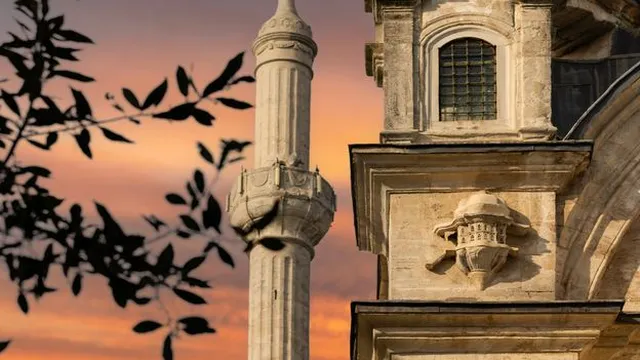
In Istanbul, Turkey, many visitors remain unaware of the city’s rich history surrounding its ornate, stone-carved birdhouses. Known as kuş sarayları ("bird palaces") or kuş köşkleri ("bird pavilions"), these structures were built during the Ottoman era, showcasing the empire's reverence for birds. Predominantly located under the eaves of mosques and other structures, many of these birdhouses date back over five hundred years, revealing their deep roots in Istanbul’s architectural heritage. The significance of these birdhouses extends beyond mere decoration; they served practical purposes by encouraging birds to nest in designated areas, thus protecting the integrity of the buildings they adorned. Charitable practices were a vital part of Islamic tradition, and during the Ottoman rule, this extended to animals as well. Religious foundations were not only established to help feed strays but also to provide care for injured creatures. Birdhouses were commonly seen in prominent locations such as the walls of mosques, specifically on the qibla walls, where the sound of bird songs complemented prayers, creating a harmonious auditory experience. The design of these avian homes mirrors the artistic and architectural styles of the period, often incorporating elements that reflect the era’s creative influences. The early 16th Century marked a significant transition in Ottoman art and architecture due to the impact of European Baroque and Rococo movements. This transformation heavily influenced the designs of the bird palaces, which started to display characteristics of miniature versions of the larger architecture of the time. These birdhouses were often crafted from leftover materials and became a way for stonecutters to demonstrate their skills, acting as a unique form of artistic expression and a business card for their craftsmanship. Some birdhouses even featured intricate designs, mimicking the opulence of mosques with cupola roofs and ornate details. Today, despite Istanbul being a bustling metropolis, it still hosts a diverse range of nearly three hundred bird species, benefiting from its position along major migratory routes between Europe and Africa. Historical patterns reveal that the Ottoman birdhouses might have served not only as decorative pieces but also as a form of ecological reconciliation. By providing shelter to birds, these structures could be seen as a way to make amends for the environmental impacts caused by urban development during the construction of structures like mosques and bridges. However, as time has passed, some of these birdhouses have fallen into disrepair, emphasizing the need for conservation to preserve this aspect of Istanbul's cultural heritage.

2026 All rights reserved
